
Digestive issues can make normal days feel harder than they should. People may deal with gas, bloating, constipation, or that heavy feeling after eating. Sometimes the stomach feels off all day. When this happens, it is tough to stay at ease and keep up with daily tasks. Food choices matter, and so do daily routines. Still, the body often benefits from other habits too. Light movement and stress relief can help the digestive system do its work.
This is one reason yoga is often seen as a helpful addition. Certain yoga poses use slow motion, gentle twists, and forward bends. They also include breathing work and time to rest. Together, these steps may ease tightness in the belly and help the body move with more ease. Yoga is not meant to replace a doctor or treatment. But guidance from studies and clinics points out that breathing, movement, and relaxation can make some digestive symptoms less troublesome. This may be especially true when stress is part of the picture.
What Is the Connection Between Yoga and Digestion?
The digestive system does not work separately from the rest of the body. Stress, poor sleep, inactivity, and mental tension can influence how the digestive system feels and functions. Yoga combines physical movement with controlled breathing and relaxation, which can encourage the body to move towards a calmer state. This is sometimes described as supporting the parasympathetic or “rest and digest” response.
Certain yoga for better digestion practices also involve gentle compression, stretching, and twisting around the abdomen. These movements may support circulation, body awareness, and comfortable movement of the digestive tract. Research on yoga for digestive conditions is still developing, so it is better to think of yoga as a complementary wellness practice rather than a guaranteed treatment.
10 Best Yoga Poses for Digestion
A digestive yoga routine does not have to be intense. Gentle, controlled movements are often a better choice when the goal is to support comfort and relaxation. The following poses are commonly included in practices designed to support digestion, bloating, gas, and bowel regularity. They can be modified according to comfort and experience.
Vajrasana
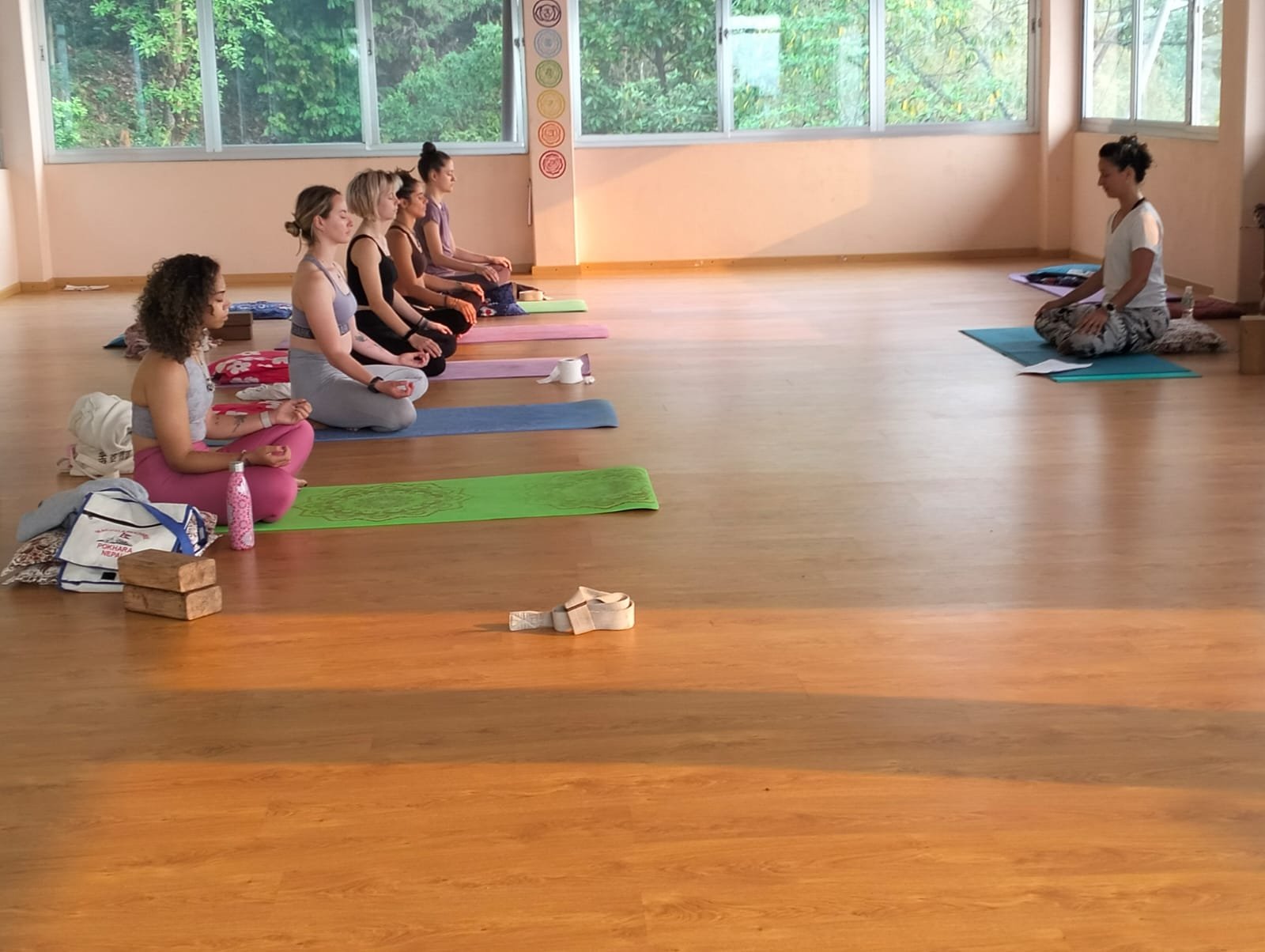
Vajrasana, also called Thunderbolt Pose, is a simple seated posture that can be used during quiet breathing or meditation. It encourages an upright posture and creates a calm setting for mindful breathing, making it particularly easy to include in a daily yoga for digestion routine.
Because it is a seated pose, Vajrasana can also provide a gentle transition between eating and a relaxed breathing practice. Comfort is important, so anyone with knee, ankle, or joint concerns should modify the position or choose another comfortable seated posture instead.
Pawanmuktasana
Pawanmuktasana, or Wind-Relieving Pose, is one of the most commonly recommended yoga poses for digestion when people are dealing with gas or abdominal discomfort. Bringing the knees gently towards the chest creates light compression around the abdomen, which may help with the sensation of trapped gas and encourage comfortable movement.
The pose should be performed slowly rather than with force. Controlled breathing is especially useful here because relaxing the abdominal area while holding the posture can make the movement more comfortable. This is also why Pawanmuktasana frequently appears in routines focused on yoga for bloating and gas relief.
Ardha Matsyendrasana
Ardha Matsyendrasana, or Half Lord of the Fishes Pose, introduces a gentle seated twist. Twisting movements are often included in digestive yoga because they create alternating compression and release around the abdominal area while encouraging spinal mobility.
The movement should remain comfortable and controlled. Instead of forcing the body into a deeper twist, focus on keeping the spine long and breathing steadily. For people looking for yoga for constipation or sluggish digestion, gentle twisting may be a useful part of a broader routine, particularly when combined with regular movement and healthy daily habits.
Marjaryasana-Bitilasana
Cat-Cow Pose is a gentle flowing movement that alternates between rounding and extending the spine. It is a useful warm-up before deeper yoga poses for digestion because it brings movement into the spine while gently engaging and releasing the abdominal area.
The breathing pattern can make the practice even more mindful. Moving slowly with the breath helps reduce tension and prepares the body for more demanding postures. Cat-Cow is also suitable for beginners because the movement can be kept small and comfortable while gradually increasing mobility.
Balasana
Balasana, also called Child’s Pose, is a common resting position in yoga. You fold forward and let your body rest. Your back, hips, and shoulders soften. Many people notice that their breathing turns slower and feels steadier.
When it comes to digestion, the main benefit is more about calm than hard effort. Stress can upset your stomach comfort. So a quiet pose like Child’s Pose can fit into a gut-focused yoga routine. Pair it with slow breathing and simple awareness.
Bhujangasana
Bhujangasana, commonly known as Cobra Pose, gently opens the front of the body while strengthening the back. The movement creates space through the abdomen and chest and can help counteract stiffness caused by long periods of sitting.
Cobra Pose should be practised without forcing the lower back into a deep bend. A gentle lift is often enough for beginners. Including this posture in a balanced sequence adds variety to a practice focused on mobility, breathing, and better digestion.
Malasana
Malasana, or Garland Pose, is a deep squat that works on the hips, ankles, and lower body while bringing the body into a position associated with natural elimination. For this reason, it is often included in practices targeting yoga for constipation.
Not everyone can comfortably squat deeply, particularly people with limited ankle or hip mobility. Using a yoga block or folded blanket for support can make the pose more accessible. The goal is to maintain comfort and relaxed breathing rather than forcing the body into the deepest possible position.
Supta Matsyendrasana
Supta Matsyendrasana, or Supine Spinal Twist, is performed while lying on the back. One or both knees are gently brought across the body, creating a mild twist through the spine and abdomen. Its supported position makes it a calming option for the end of a practice.
This posture can help release tension and encourage gentle movement around the abdominal area. Because it is performed lying down, it can also be useful for people who find seated twists uncomfortable. Like other yoga poses for digestion, it should never cause sharp pain or excessive pressure.
Paschimottanasana
Paschimottanasana, or Seated Forward Bend, stretches the back of the body while creating gentle compression through the abdominal region. Forward folds are commonly included in digestive yoga sequences because they combine stretching with a calming, inward-focused movement.
For beginners, the knees can remain slightly bent and the hands can rest on the legs instead of forcing the body towards the feet. Relaxing the neck and breathing slowly are more important than reaching a particular position. This makes the pose useful in a gentle yoga for better digestion routine.
Setu Bandhasana
Setu Bandhasana, also called Bridge Pose, works the back, hips, and legs. It also helps open the front of the body. You can use it in a practice that aims at digestion. It does not have to be only twists and forward bends.
This pose can support steady breathing. It also builds body awareness. If you lift in a careful way, not by forcing the height, it usually feels more doable for new students. When you add Bridge Pose to a mixed routine, you get more variety. It can also help with general movement and mobility.

How Yoga May Support Gut Health
Yoga for the gut is not just about doing a couple poses when you feel bloated. If you practice often, you may find it easier to move your body, calm down, and pay attention to your breath. These steps can also help with stress, which often shows up in the belly. Your gut and your brain talk to each other all the time. When stress is high, digestive feelings can feel stronger or show up more often.
This is not the same as saying yoga can heal any digestive illness by itself. It also should not replace medical care when you need it. Think of yoga as one small piece of a wider routine. That routine can include good meals, enough water, regular exercise, and solid sleep. If symptoms are serious or keep coming back, a clinician should be involved. Research and clinical reviews have looked at how yoga may help with stomach discomfort and day-to-day life, especially for people whose symptoms change with stress.
Yoga for Bloating, Gas and Constipation
When bloating or trapped gas is the main concern, gentle movements that involve abdominal compression and release may feel helpful. Pawanmuktasana, gentle twists, Cat-Cow, Child’s Pose, and Supine Spinal Twist are often used in routines created for this purpose. Slow breathing can also make the practice more comfortable by encouraging relaxation. For yoga for constipation, consistency is more useful than practising a large number of poses once in a while. Regular movement, enough fluids, fibre-rich food, and healthy bowel habits should remain part of the overall approach. Persistent constipation, severe abdominal pain, blood in the stool, vomiting, unexplained weight loss, or significant changes in bowel habits should be discussed with a healthcare professional rather than managed through yoga alone.
Best Time to Practise Yoga for Digestion
The best time for digestive yoga depends on personal comfort and the type of practice. Many people prefer practising in the morning before breakfast because the stomach is relatively empty and the body can move more comfortably. A gentle evening practice can also be useful for relaxation after a busy day. Practising immediately after a heavy meal is generally not comfortable, especially when the routine includes twists, forward folds, or abdominal compression. Give the body time to digest before doing a more active session. Gentle walking may be more comfortable soon after eating, while yoga can be scheduled later when the stomach feels settled.
Tips for Better Digestion Through Yoga
A regular digestion-focused yoga practice works best when combined with simple healthy habits. Gentle movement, mindful breathing, and consistency can support better digestive wellness.
- Go easy at first: Try soft moves and build up little by little once you feel at ease.
- Breathe with care: Keep your breaths even and slow while you hold each position. It can help you relax and loosen tight spots.
- Do not strain: In twists and deep stretches, stay gentle. If you feel bloated or sore, or if your belly feels tender, back off.
- Keep it up: Doing short practice for a few minutes most days can help more than a hard session now and then.
- Eat in a steady way: Pick meals with good balance and plenty of fiber to support digestion and fit with your yoga routine.
- Drink water: Have enough water through the day. It supports normal digestion and can help your bowel comfort.
- Move often: Yoga plus other easy movement can help with digestion, flexibility, and daily body health.
- Handle stress: Simple meditation, breathing practice, good sleep, and rest can support your gut and make digestion feel more comfortable.
When Should You Avoid Yoga for Digestive Problems?
Yoga may not be appropriate when you are experiencing severe or unexplained digestive symptoms. Strong abdominal pain, repeated vomiting, blood in the stool, fever, fainting, unexplained weight loss, or a sudden and significant change in bowel habits should be assessed by a medical professional rather than treated as a simple digestion problem. People recovering from abdominal surgery, dealing with certain medical conditions, or experiencing severe pain should also seek professional guidance before beginning a new physical routine. Even when practising gentle yoga, it is important to stop if a posture causes sharp pain, dizziness, or unusual discomfort. Yoga should support well-being, not replace necessary healthcare.
Experience Traditional Yoga at Shivalaya Yoga Ashram
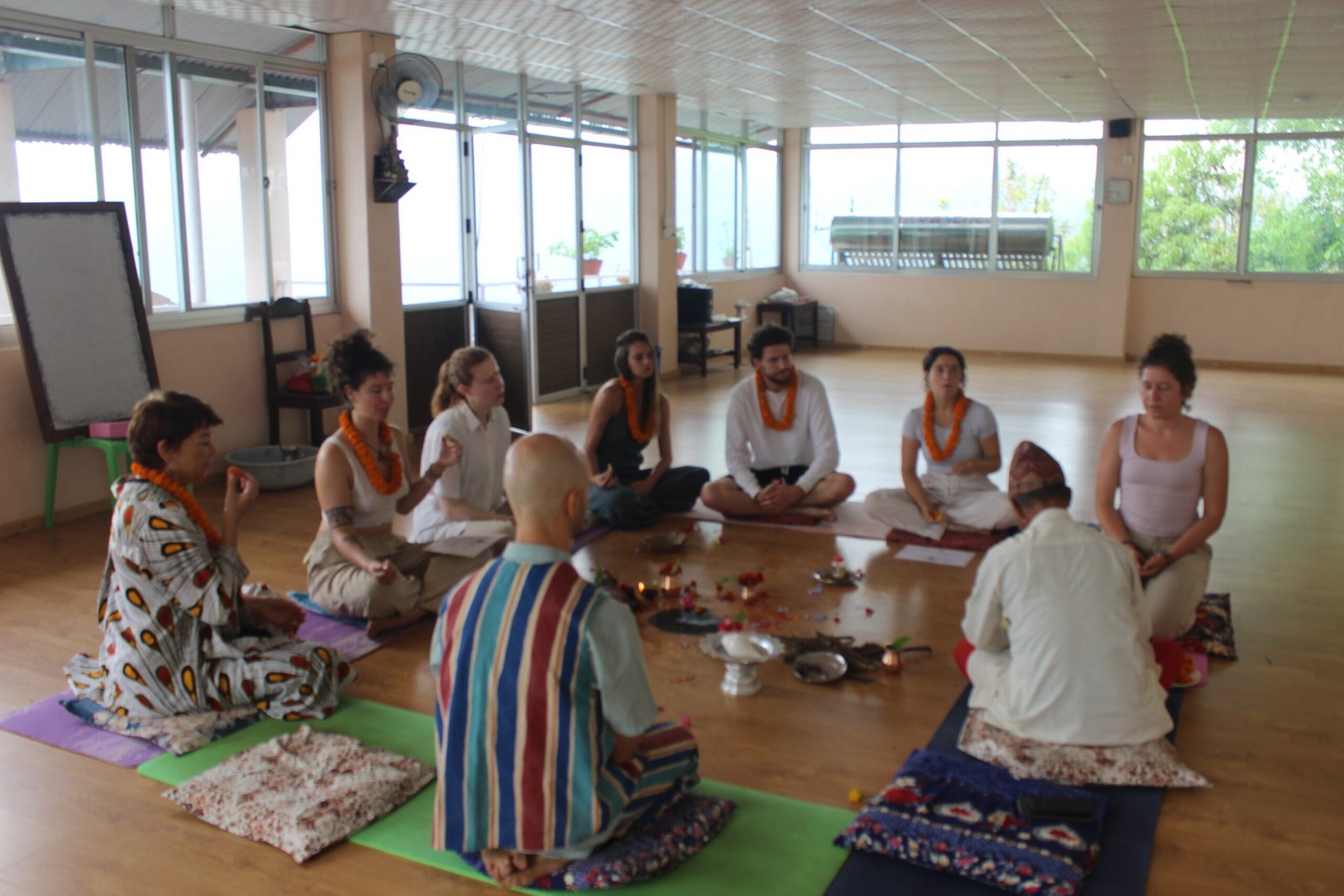
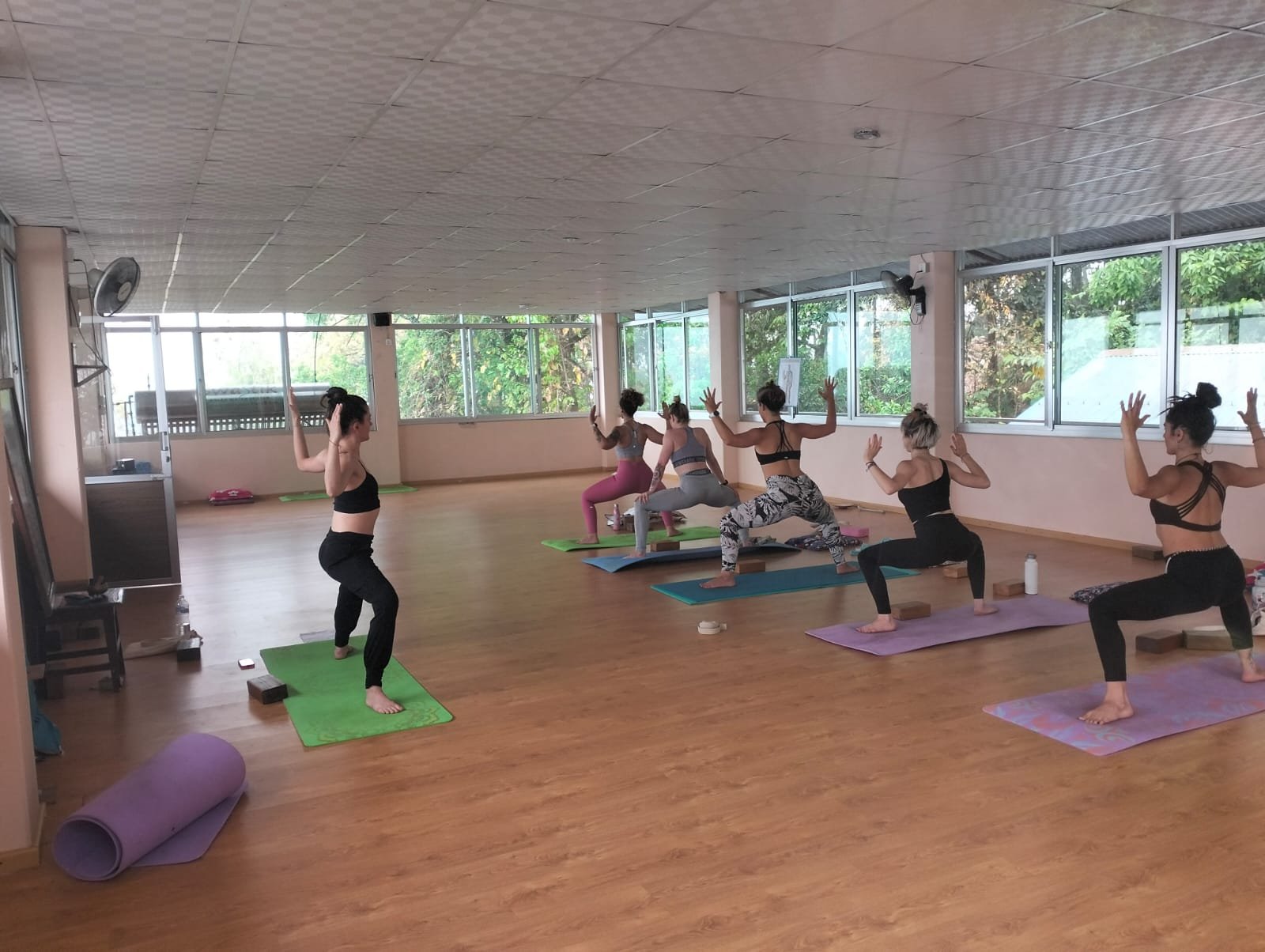
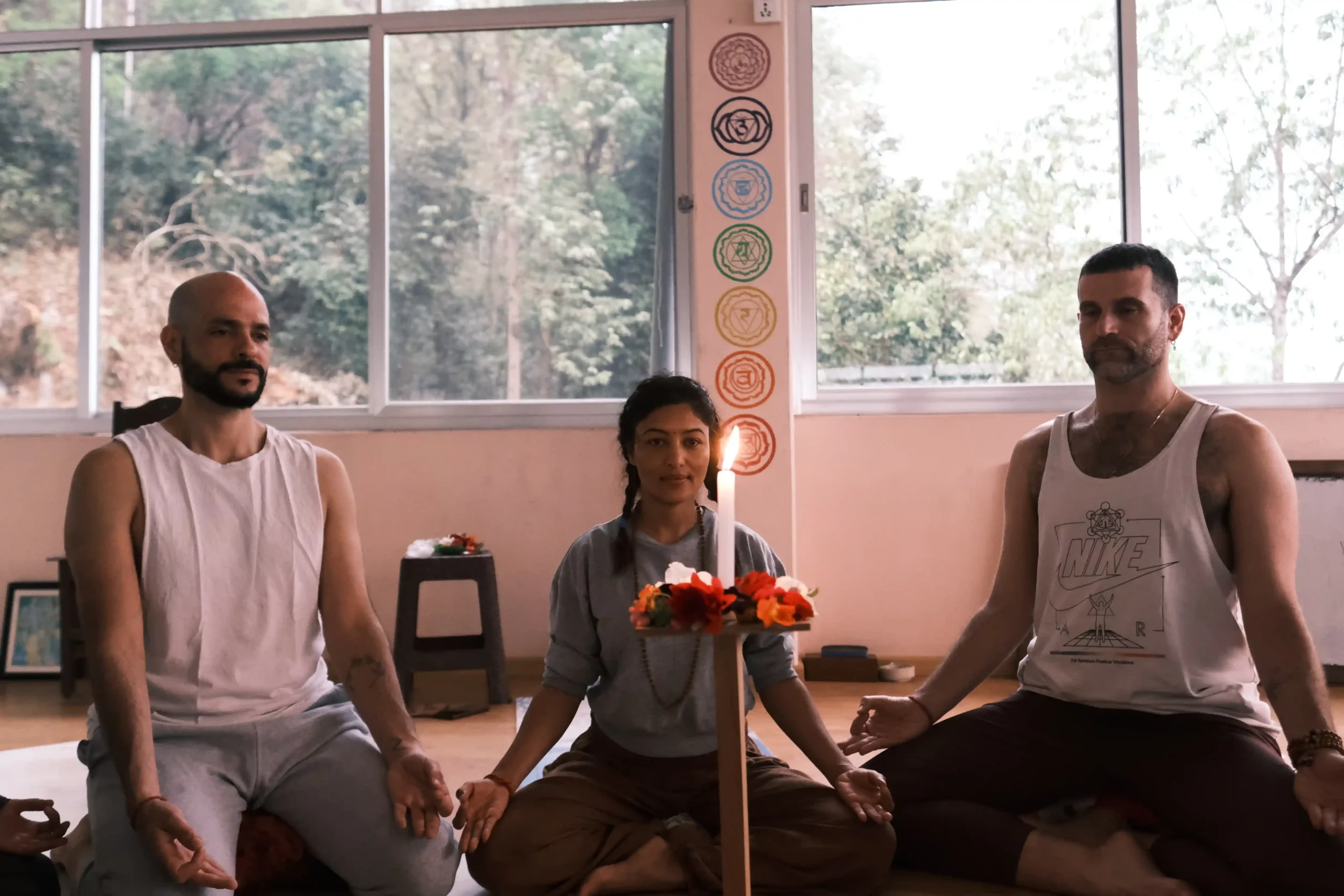
Yoga has long treated digestion as more than just what you eat. In many traditional styles, it connects with how the body moves, how the breath flows, and how the mind settles. It also looks at everyday habits. At Shivalaya Yoga Ashram in Pokhara, students can practice these older yoga methods in a calm setting. The routine may include meditation and pranayama. It can also include mindful living and other parts of holistic care.
If you want more than stretching on a mat, you can learn with teachers who have been doing this for years. With guidance, you start to see how asana, breathing, rest, and daily choices fit together. For those thinking ahead, you can join yoga instructor training as your next step. This can become part of a longer journey with yoga.
Learn Yoga at One of the Best Yoga Schools in Nepal
Ready to take your yoga practice beyond individual poses? Train with experienced teachers at Shivalaya Yoga Ashram and explore traditional yoga, pranayama, meditation, and mindful living in a peaceful environment.
Conclusion
Yoga poses can help with digestion, but they do not replace healthy meals or doctor care. Think of them as an added tool inside a wider routine. Some people find that gentle twists and simple forward folds make them more aware of their body. They may also feel less tight. These moves can fit with a calmer, more relaxed state, which many people associate with easier digestion. If your focus is bloating, constipation, or just better support for your gut, try to stay steady.
Go slow at first. Do the poses with care and notice how you feel. Do not rush results. Your body often needs time. Along with good daily habits, yoga can be a small routine you can keep up with.
FAQS
What Is the Connection Between Yoga and Digestion?
Yoga combines physical movement, breathing, and relaxation, which may support the body’s rest-and-digest response and help reduce stress-related digestive discomfort. Certain poses also involve gentle twisting, stretching, and abdominal compression. Yoga should be viewed as a complementary wellness practice rather than a cure for digestive disorders.
What Are the Best Yoga Poses for Digestion?
Some commonly used yoga poses for digestion include Vajrasana, Pawanmuktasana, Ardha Matsyendrasana, Cat-Cow, Child’s Pose, Cobra Pose, Malasana, Supine Spinal Twist, Seated Forward Bend, and Bridge Pose. The best choice depends on comfort, mobility, experience, and individual health needs.
Can Yoga Help With Bloating and Gas?
Gentle yoga may help some people feel more comfortable when experiencing bloating or trapped gas. Poses such as Pawanmuktasana, gentle twists, Cat-Cow, and Supine Spinal Twist are commonly included in digestive yoga routines. Persistent or severe bloating should be discussed with a healthcare professional.
Can Yoga Help With Constipation?
Yoga may support bowel regularity through movement, relaxation, and certain poses that gently compress or mobilise the abdominal area. It works best alongside adequate fluids, fibre, physical activity, and healthy bowel habits. Ongoing or severe constipation requires appropriate medical evaluation.
What Is the Best Time to Practise Yoga for Digestion?
Morning practice before breakfast is comfortable for many people, while a gentle evening routine can also work well. More active yoga is generally better when the stomach is not full. Avoid practising challenging twists or abdominal compression immediately after a heavy meal.
Can You Do Yoga After Eating?
Gentle breathing or relaxed sitting may be comfortable after eating, but vigorous yoga, deep twists, and abdominal compression are better avoided immediately after a meal. Give your body time to digest before starting a more active practice and stop if you experience discomfort.
Is Yoga Good for Gut Health?
Regular yoga may support gut health indirectly through stress management, physical activity, breathing, relaxation, and mindful lifestyle habits. Research is still developing, so yoga should complement rather than replace medical treatment for diagnosed gastrointestinal conditions.
When Should Yoga Be Avoided for Digestive Problems?
Hold off on yoga and ask a doctor first if you have bad tummy pain that comes on fast, or if you keep throwing up. Get help right away if there is blood in your stool, or if you have a fever. Also talk to a professional if you are losing weight without a reason, or if your bowel habits change in a big way. If you are healing after an operation, or if you already have a health issue, do not start on your own. Check with a medical professional before you begin yoga
Also Read:
Digital Detox Through a Yoga Retreat
Morning Yoga Routine for Women at Home
7 Things to Keep in Mind Before Joining a Yoga Retreat in Nepal