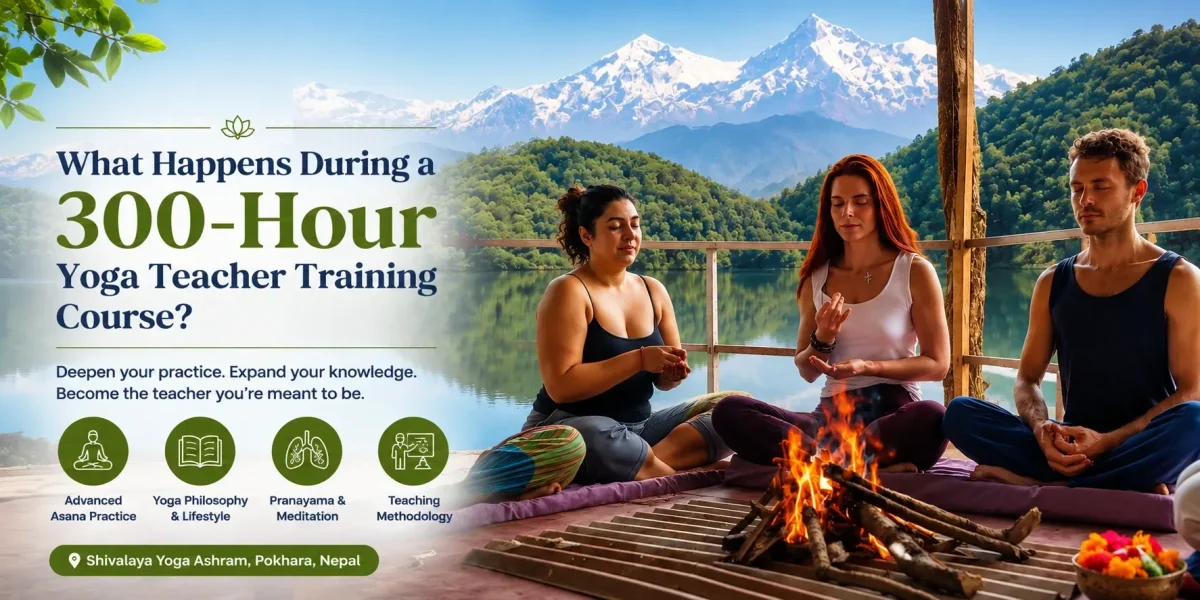
Being a graduate from a 200-hour Yoga Teacher Training Course only marks the beginning of your journey in yoga. The 300-hour Yoga Teacher Training Course is meant for those who have received yoga certification and wish to further improve themselves in the practice of yoga, teaching skills and acquire greater knowledge of yoga in general. This guide provides you with information about what to expect from the 300-hour yoga teacher training program from its curriculum and schedule to certification and career prospects.
Who Should Join a 300-Hour Yoga Teacher Training?
The perfect Yoga Teacher Training Program for yoga teachers with their certification in 200-hour Yoga Teacher Training and ready to advance their training to a whole new level is a 300-hour Yoga Teacher Training. This is because the program involves advancing learning, whereby the trainees get the opportunity to develop their teaching skills, learn more about the traditional yoga techniques and boost their confidence in the class setting. The program is also perfect for the wellness professionals and practitioners who would like to pursue their career in yoga.
What Makes a 300-Hour Yoga Teacher Training Different?
A 300-hour Yoga Teacher Training Course goes beyond the basics covered in a 200-hour program. It offers a deeper understanding of yoga by exploring advanced anatomy, alignment, sequencing, philosophy, meditation, pranayama, and teaching techniques. The focus is not only on improving personal practice but also on developing the knowledge and confidence needed to teach effectively. With regular practical sessions and expert guidance, students learn how to adapt classes for different abilities and become skilled, well-rounded yoga teachers.
Also Read: 200 Hour vs 300 Hour Yoga Teacher Training
What Will You Learn in a 300-Hour Yoga Teacher Training?
The 300-hour yoga teacher training curriculum combines theoretical knowledge with practical experience, creating a balanced learning environment that supports both personal and professional development. Every subject builds upon the foundation established during a 200-hour course while introducing more advanced concepts that prepare students to teach with greater confidence and clarity. Rather than memorising information, participants learn how to apply yogic principles in real classroom settings and daily life.
From advanced asana practice to anatomy, philosophy, meditation, and Ayurveda, each subject contributes to a deeper understanding of yoga as a complete lifestyle. The curriculum encourages critical thinking, self-reflection, and continuous practice, helping students become well-rounded teachers who can confidently guide others on their yoga journey.
Advanced Asana Practice
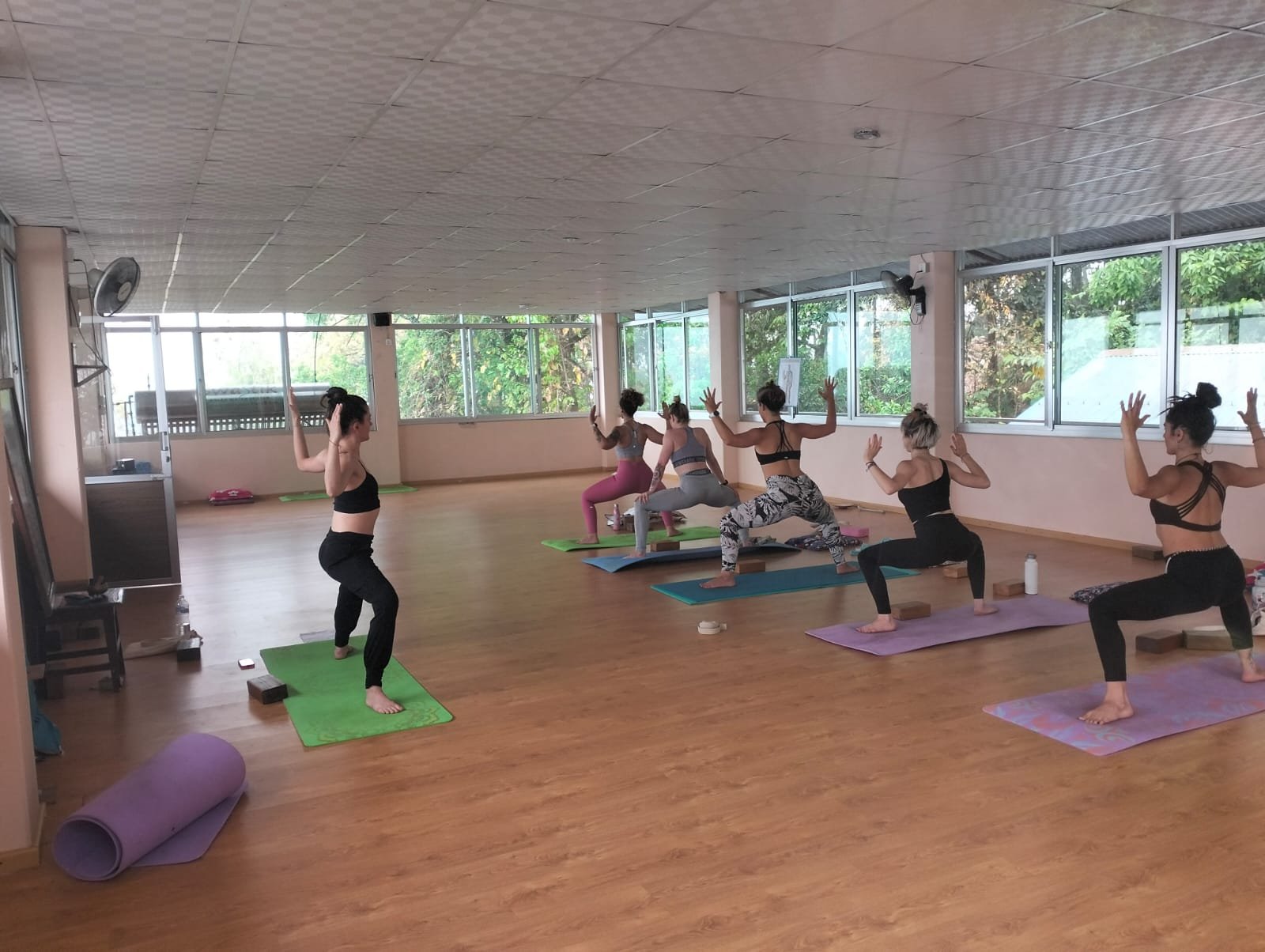
Advanced asana practice is not simply about mastering difficult postures. Instead, students learn to refine movement, improve stability, understand body mechanics, and explore advanced poses with awareness and safety. Greater emphasis is placed on proper alignment, controlled transitions, and developing strength without compromising joint health. This approach helps practitioners understand not only how to perform a posture but also why it should be taught in a particular way.
Students also learn how to modify challenging poses for different body types, recognise physical limitations, and prevent common injuries. As confidence grows, they begin to approach advanced asanas with patience, discipline, and mindfulness rather than focusing solely on physical achievement.
Teaching Methodology
Teaching yoga requires much more than demonstrating postures. Throughout the course, students learn how to communicate clearly, observe movement patterns, provide effective verbal cues, and create a supportive learning environment for every participant. They gradually develop confidence in leading classes while improving their ability to respond to different student needs.
Teaching methodology also covers lesson planning, voice projection, classroom management, sequencing techniques, and methods for encouraging students without creating pressure. By the end of the course, participants understand how to lead structured classes that are safe, engaging, and suitable for practitioners at different levels.
Yoga Anatomy
Understanding anatomy allows yoga teachers to guide students with greater confidence and safety. During the course, participants study muscles, joints, bones, connective tissues, and movement patterns to understand how the human body responds during yoga practice. This knowledge helps teachers explain postures more effectively while reducing the risk of injuries.
Students also learn how anatomical awareness influences alignment, breathing, flexibility, and strength. Rather than applying the same instructions to every student, they develop the ability to recognise individual differences and modify practices accordingly. This creates a more inclusive and personalised learning experience for everyone attending their classes.
Yoga Philosophy
Yoga philosophy reminds students that yoga extends far beyond physical exercise. Through the study of classical texts such as the Yoga Sutras and the Bhagavad Gita, participants explore the ethical principles, spiritual teachings, and traditional wisdom that have shaped yoga for centuries. These teachings encourage self-discipline, compassion, mindfulness, and conscious living.
Rather than viewing philosophy as abstract theory, students learn how these timeless principles can be applied in modern life and integrated into their teaching. This deeper understanding allows them to share yoga as a holistic practice that supports physical, mental, emotional, and spiritual well-being.
Meditation
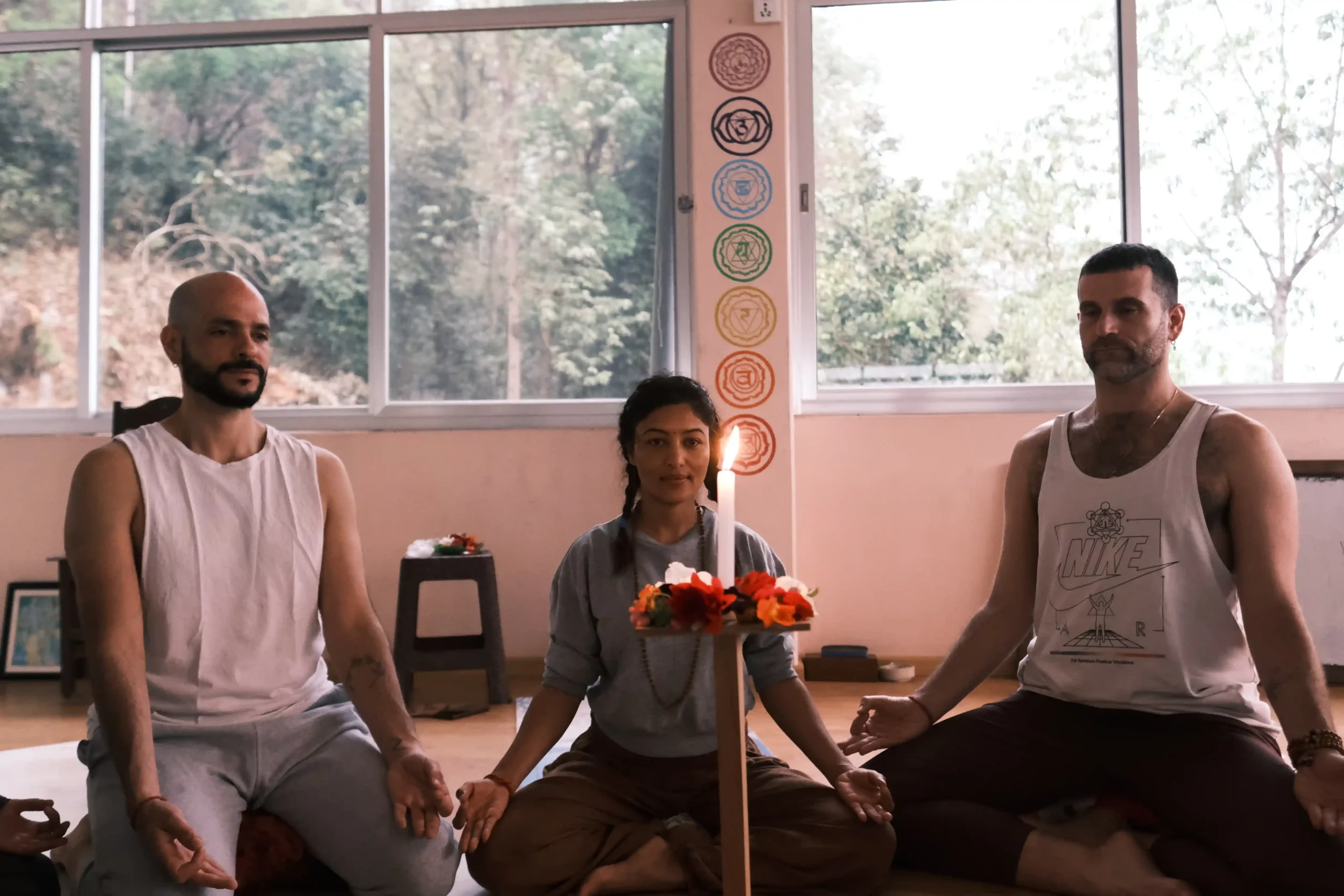
Meditation forms an essential part of every advanced yoga teacher training program. Daily meditation sessions help students improve concentration, reduce mental distractions, and develop greater emotional awareness. Regular practice encourages patience, inner calm, and the ability to remain present, qualities that naturally strengthen both personal practice and professional teaching.
Throughout the course, students experience different meditation techniques that support relaxation, mindfulness, and self-reflection. As they become more comfortable with their own meditation practice, they also gain the confidence to introduce these techniques to future students in a meaningful and accessible way.
Pranayama
Pranayama is the practice of conscious breath control and is considered one of the most important aspects of traditional yoga. During the course, students learn advanced breathing techniques that improve lung capacity, balance the nervous system, increase energy, and support mental clarity. Each technique is taught with careful attention to safety and correct application.
Beyond learning the techniques themselves, participants understand when and why different breathing practices should be introduced during yoga classes. This deeper knowledge enables them to use pranayama effectively for relaxation, focus, emotional balance, and overall well-being.
Alignment and Adjustments
Proper alignment is one of the most important skills an advanced yoga teacher can develop. In a 300-hour Yoga Teacher Training Course, students learn how to observe body mechanics carefully and guide practitioners into postures safely and effectively. Rather than encouraging everyone to achieve the same shape, the training focuses on understanding individual body structures and making appropriate adjustments that support comfort, stability, and long-term progress.
Students also learn the difference between verbal, visual, and hands-on adjustments while understanding when each approach is appropriate. Respecting personal boundaries, maintaining clear communication, and prioritising student safety remain central throughout the training. These practical skills help future teachers create classes where students feel supported, confident, and able to practise without unnecessary strain or discomfort.
Sequencing Classes
Creating a well-balanced yoga class involves much more than arranging postures in a random order. During the 300-hour yoga teacher training curriculum, students learn how to build intelligent class sequences that gradually prepare the body, maintain a natural flow, and conclude with adequate relaxation. Every sequence is designed with a clear purpose, whether the goal is improving flexibility, building strength, enhancing mobility, or encouraging deep relaxation.
Students also explore how to design classes for different levels of practitioners, including beginners, intermediate students, seniors, and specialised groups. They learn to adapt sequences based on class objectives while maintaining balance between effort and recovery. These skills enable graduates to create engaging yoga sessions that are safe, purposeful, and enjoyable for a wide range of students.
Ayurveda
Ayurveda complements yoga by offering a holistic approach to health and well-being. As part of the 300 Hour YTT Nepal, students are introduced to the fundamental principles of Ayurveda, including the three doshas, daily routines, seasonal living, nutrition, and lifestyle practices that support physical and mental balance. This knowledge helps teachers understand how yoga and Ayurveda work together to promote overall wellness.
Rather than treating Ayurveda as a separate discipline, the course demonstrates how simple Ayurvedic concepts can enhance yoga practice and everyday life. Students begin recognising how individual constitutions influence energy levels, movement, recovery, and emotional well-being. This broader perspective allows future teachers to guide students more thoughtfully while encouraging sustainable habits beyond the yoga mat.
Bandhas and Mudras
Bandhas and mudras introduce students to the subtle aspects of traditional yoga that are often explored in greater depth during advanced teacher training. Bandhas, often described as internal energy locks, help practitioners improve stability, breathing efficiency, and concentration during yoga practice. Mudras are symbolic hand gestures that support meditation, relaxation, and energetic awareness.
Throughout the training, students learn the purpose behind these ancient practices and how they complement pranayama and meditation. Instead of viewing them as isolated techniques, participants understand how bandhas and mudras contribute to a deeper yogic experience by improving breath awareness, supporting mental focus, and encouraging a stronger connection between body, mind, and inner awareness.
What Does a Typical Day Look Like During a 300-Hour Yoga TTC?
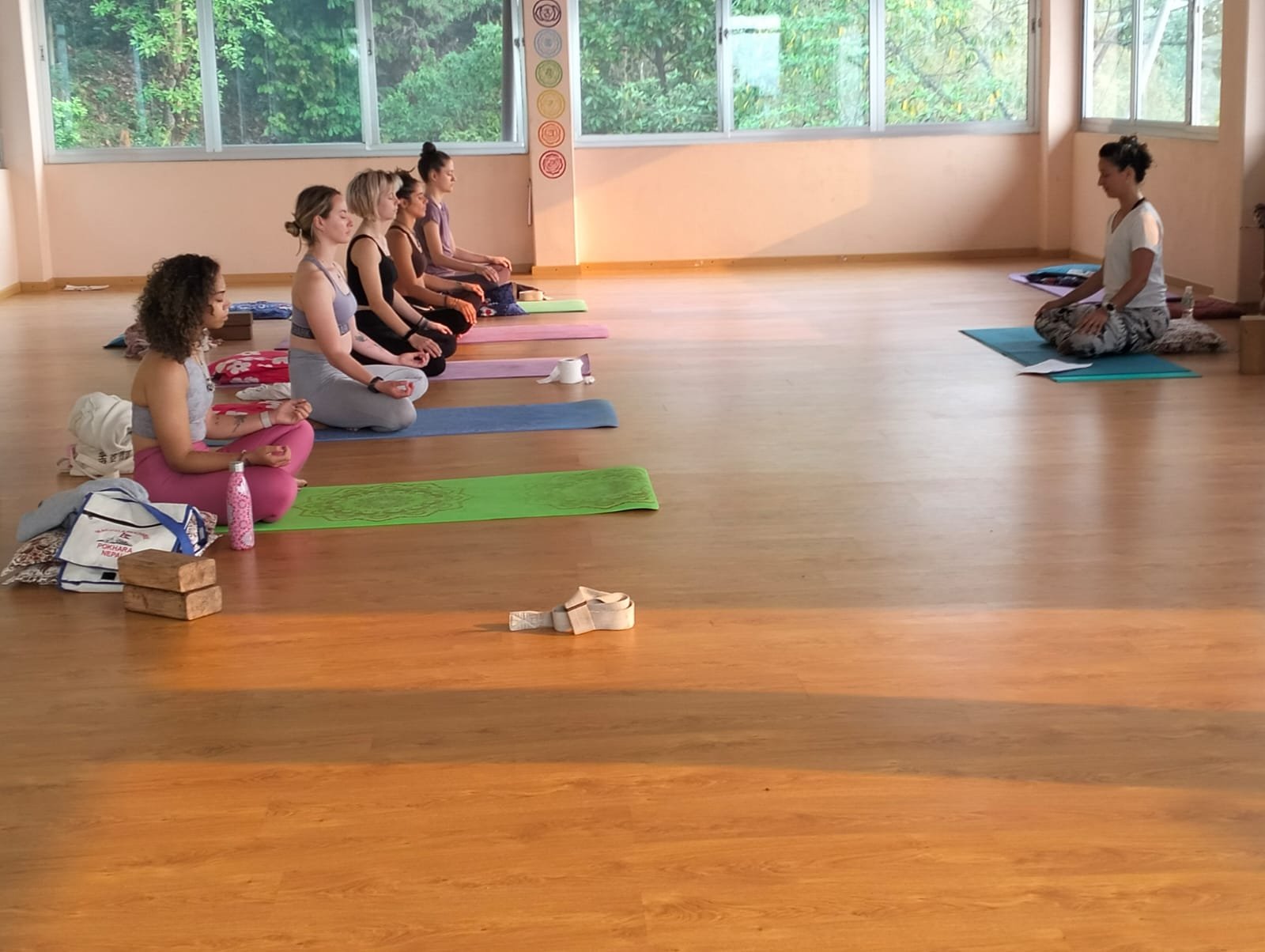
A 300-hour Yoga Teacher Training Course follows a structured daily routine that combines physical practice, theoretical learning, teaching experience, and self-reflection. Most Yoga Alliance 300-hour courses begin the day with meditation and pranayama, followed by advanced asana practice. After breakfast, students attend classes on anatomy, philosophy, Ayurveda, sequencing, and teaching methodology. Afternoons focus on practical teaching sessions, while evenings are usually dedicated to meditation, group discussions, or self-study. This balanced schedule helps students develop discipline, deepen their knowledge, and build confidence as yoga teachers.
How Teaching Practice Prepares You for Real Classes
Teaching practice is often considered the most valuable part of a 300-hour Yoga Teacher Training because it bridges the gap between theory and real-world teaching. Instead of simply learning concepts in the classroom, students gradually gain practical experience by leading yoga sessions, observing experienced instructors, and receiving detailed feedback throughout the course. This step-by-step approach helps reduce nervousness while building genuine teaching confidence.
As the training progresses, participants learn how to communicate clearly, demonstrate postures effectively, manage different class sizes, and respond to individual student needs. Constructive feedback from teachers and classmates allows them to refine their teaching style, improve verbal cueing, and develop stronger classroom presence. By the end of the course, students have gained valuable hands-on experience that prepares them to teach confidently in studios, retreats, wellness centres, and private classes.
How Are Students Assessed During the Course?
Assessment during a 300-hour Yoga Teacher Training Course is designed to evaluate both knowledge and practical teaching ability rather than creating unnecessary pressure. Instead of relying on a single examination, most training programs use continuous assessment throughout the course. This approach encourages students to apply what they learn consistently while giving instructors the opportunity to provide guidance and support whenever needed.
Students are commonly assessed through written assignments, practical teaching demonstrations, attendance, participation, anatomy and philosophy examinations, and instructor evaluations. Some schools also include peer teaching sessions and self-reflection exercises to encourage continuous improvement. These assessments help ensure that graduates not only understand advanced yoga concepts but also possess the confidence, communication skills, and practical experience needed to guide students safely and effectively.
Yoga Alliance Certification
Many students choose a Yoga Alliance 300-hour course because it follows internationally recognised educational standards. Completing a recognised training program allows graduates to fulfil the educational requirements needed to continue their professional development and strengthen their credentials within the global yoga community. For teachers who wish to work internationally, this certification often adds credibility and demonstrates commitment to ongoing learning.
Although certification is an important milestone, the true value of the course lies in the practical experience, deeper knowledge, and personal growth gained throughout the training. Students leave with stronger teaching skills, greater confidence, and a more comprehensive understanding of traditional yoga that extends far beyond the certificate itself.
Also Read: How to Register with Yoga Alliance: Step-by-Step Guide.
Skills You Develop After Completing a 300-Hour Yoga Teacher Training
Completing a 300-Hour Yoga Teacher Training equips you with far more than an advanced certification. The course helps you become a more confident teacher by strengthening your understanding of yoga, improving communication skills, and refining your ability to guide students safely. Throughout the program, regular teaching practice, detailed feedback, and advanced study help you develop a professional approach that can be applied in a variety of teaching environments.
You also gain a deeper understanding of yoga anatomy, intelligent class sequencing, meditation, pranayama, and traditional philosophy. These subjects work together to improve your ability to create meaningful classes that address different student needs. Beyond teaching, the discipline developed through daily practice encourages patience, self-awareness, and continuous learning. Many graduates find that the skills they gain support not only their yoga career but also their personal growth, decision-making, and overall well-being.
Career Opportunities After Completing a 300-Hour Yoga Teacher Training
A 300-hour Yoga Teacher Training Course opens the door to a wider range of professional opportunities within the global wellness industry. Many yoga studios, retreat centres, wellness resorts, and holistic health organisations prefer teachers who have completed advanced training because it reflects a deeper understanding of yoga and greater teaching experience. Graduates often feel more confident applying for international teaching positions or expanding their existing careers.
Advanced certification also creates opportunities beyond traditional studio classes. Many teachers begin offering private sessions, online yoga programs, corporate wellness workshops, specialised yoga classes, and wellness retreats. Others choose to organise teacher training programs, collaborate with healthcare professionals, or build their own yoga businesses. As interest in holistic health continues to grow worldwide, completing a 300-hour Yoga Teacher Training can provide the knowledge and credibility needed to build a rewarding and sustainable teaching career.
Also Read: Yoga Teacher Salary Country Wise.
Why Choose Nepal for a 300-Hour Yoga Teacher Training?
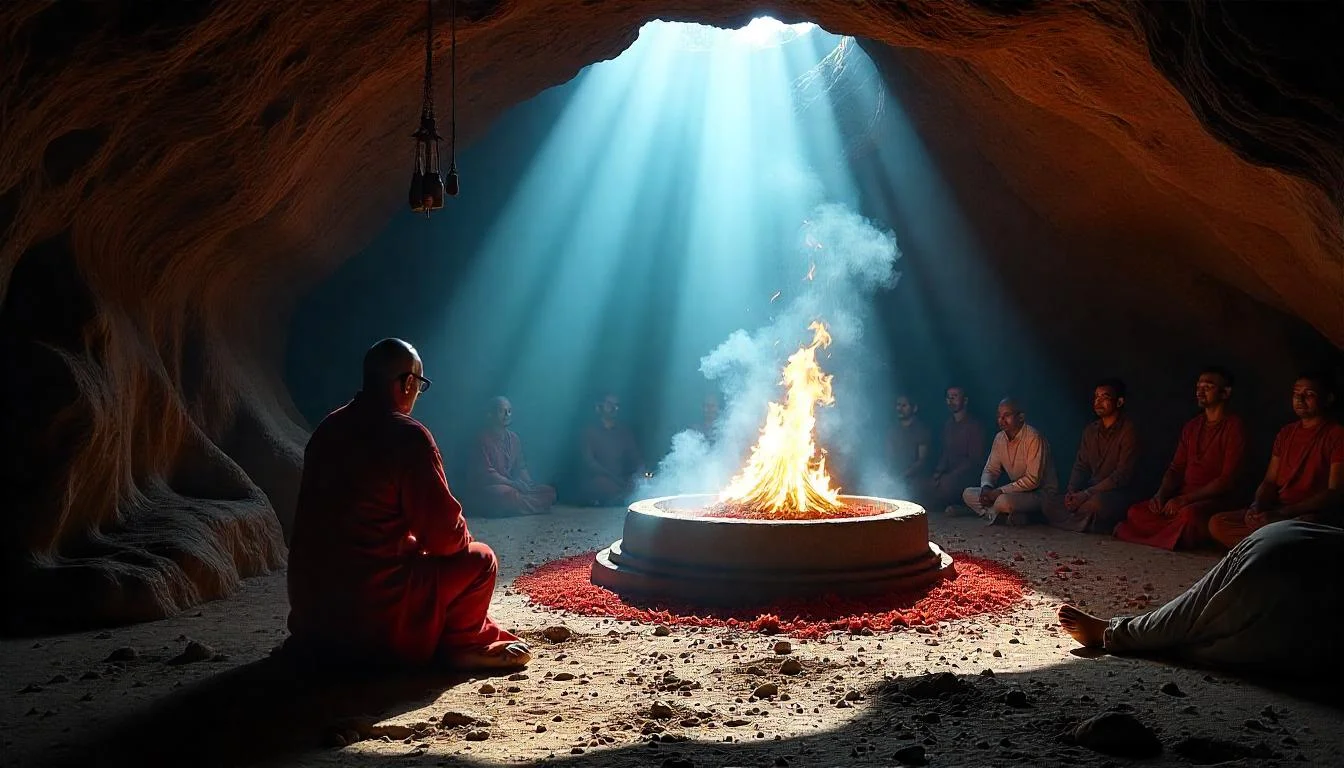
Nepal has emerged as one of the most respected destinations for studying yoga as a practice at an advanced level owing to the natural conditions under which the practice can flourish, thrive, and develop. Being surrounded by the Himalayan mountains, Nepal presents the ideal environment to concentrate on the yoga practice, learn, discover, and achieve the highest levels of discipline. This makes Nepal one of the best places to study yoga and develop professionally and personally.
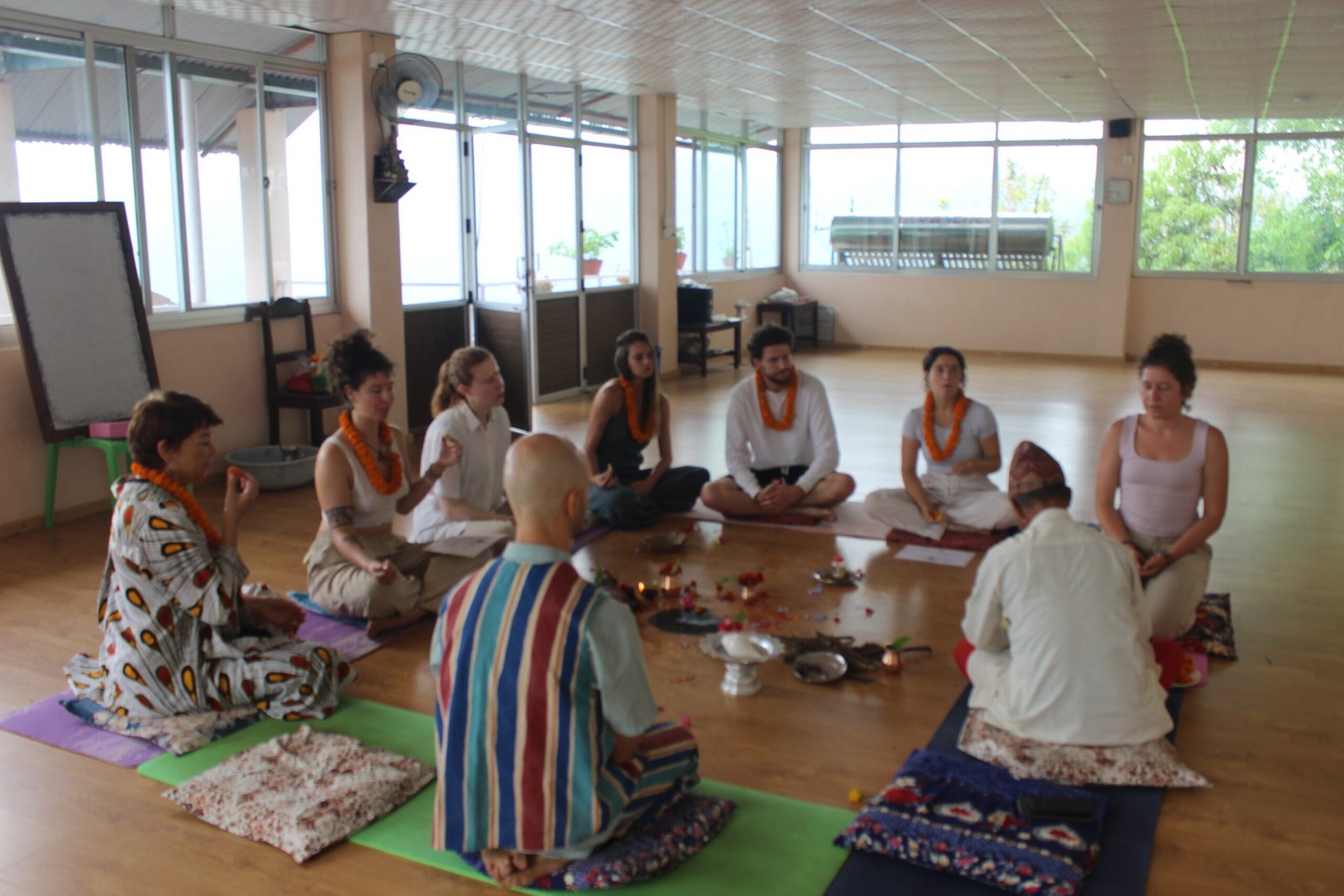
There are numerous reasons why students prefer 300 Hour YTT Nepal courses, such as authentic yoga teachings, qualified yoga instructors, affordability of courses, and supportive yoga communities, among other factors. Students in traditional yoga schools get not only the physical practice but also the philosophy, meditation, pranayama, and mindful living. Studying yoga in Nepal becomes a cultural experience for everyone.
Why Choose Shivalaya Yoga Ashram?
Choosing the right yoga school plays an important role in the overall learning experience. At Shivalaya Yoga Ashram, students learn in a supportive environment where traditional yogic knowledge is combined with structured practical training. Rather than focusing only on certification, the program encourages students to deepen their understanding of yoga through consistent practice, thoughtful guidance, and individual attention from experienced teachers.
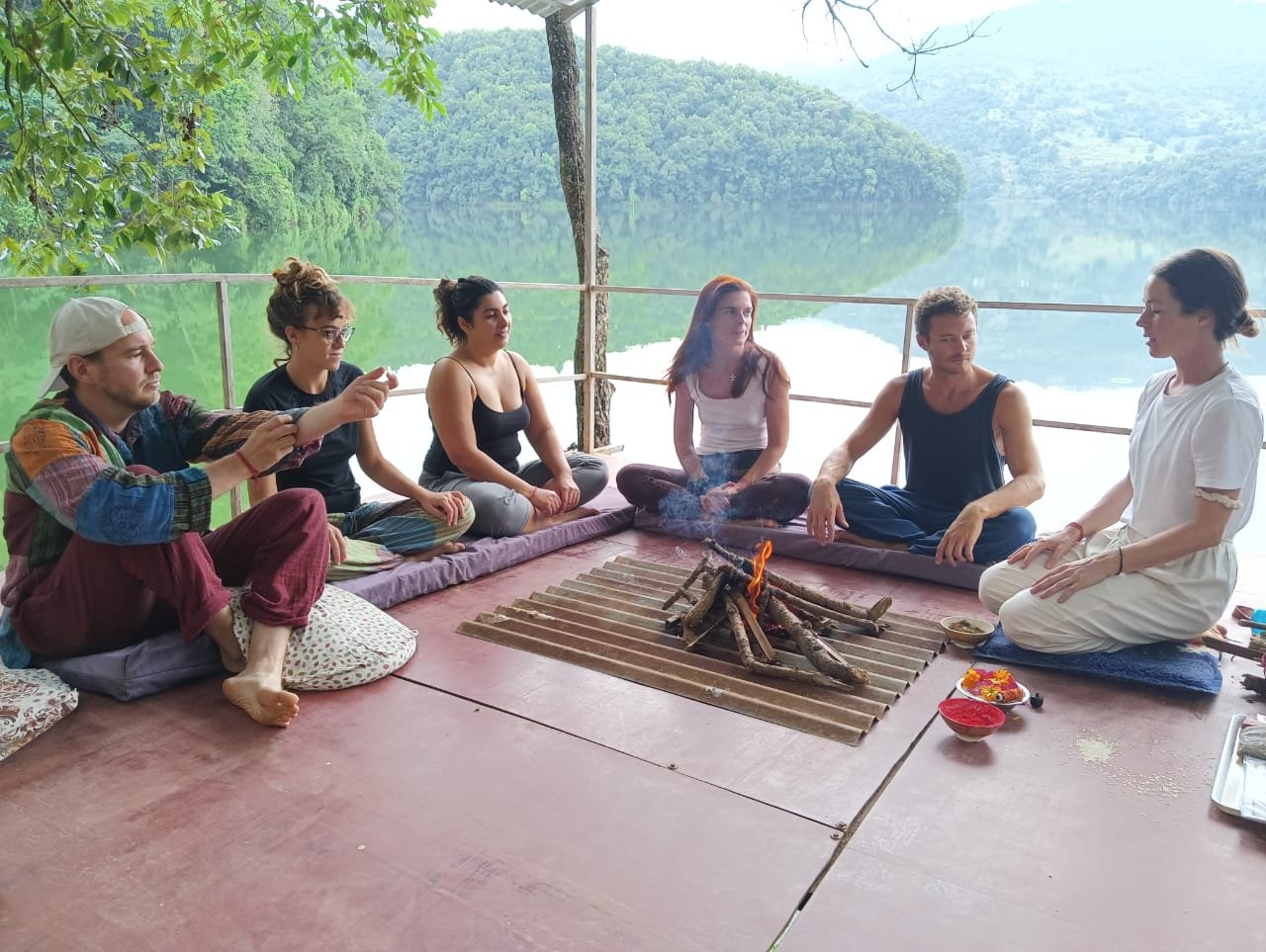
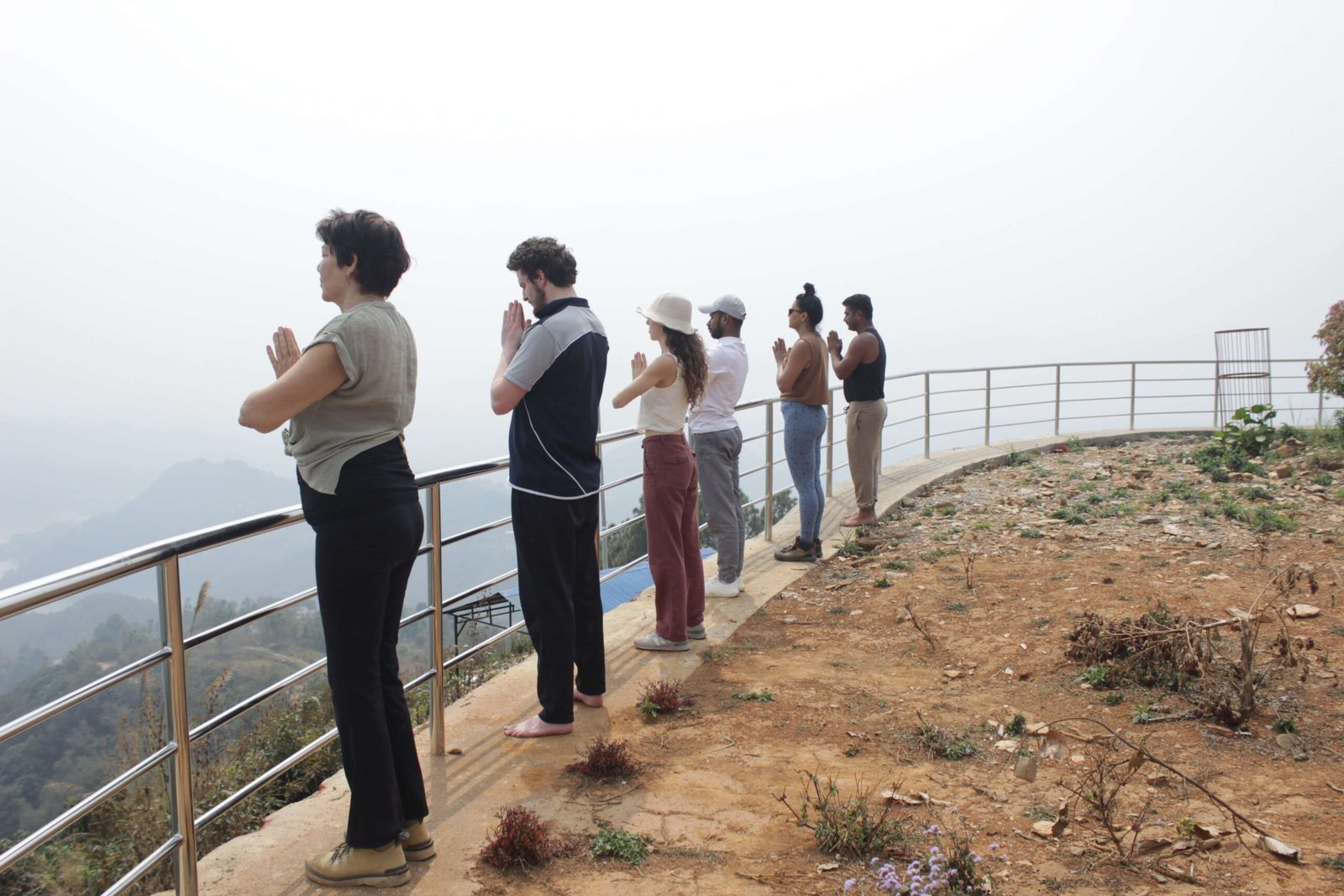
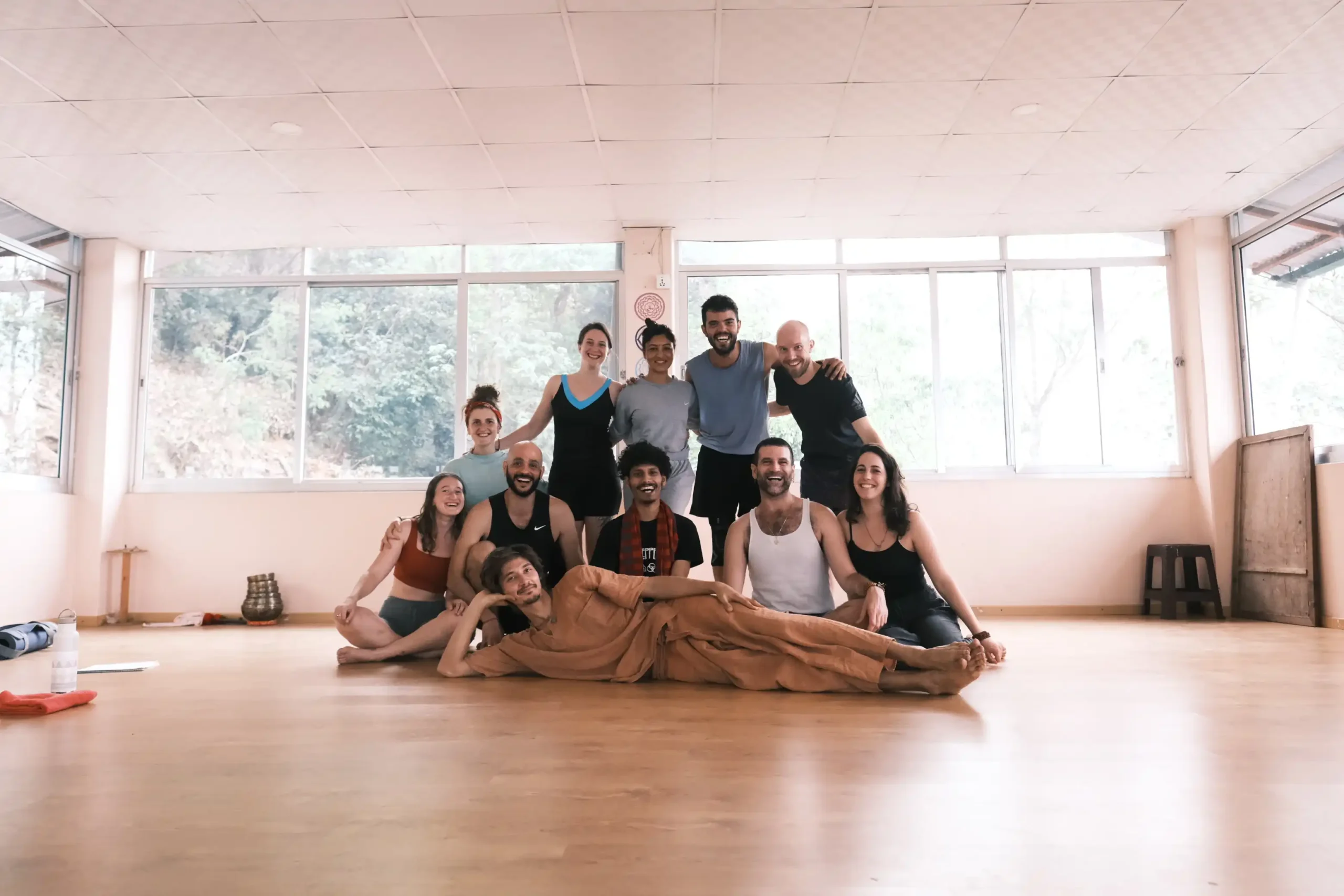
Located in the peaceful surroundings of Pokhara, the ashram provides an ideal space for meditation, self-reflection, and focused study. Small class sizes allow instructors to offer personalised guidance while encouraging active participation throughout the course. Along with advanced asana practice, students explore meditation, pranayama, yoga philosophy, anatomy, Ayurveda, and teaching methodology in depth. The welcoming international community also creates opportunities to learn alongside practitioners from different cultures, making the experience both educational and personally enriching.
Conclusion
The 300-Hour Yoga Teacher Training Course is not just an advanced yoga certificate. It is your chance to improve your teaching skills, study traditional yoga more thoroughly and evolve as a practitioner and teacher. Every aspect of this program is carefully prepared in order to make you a confident and knowledgeable yoga instructor. No matter what your objective – be it teaching internationally, organising yoga retreats, developing professionally or practicing yoga on a deeper level – this course will give you the necessary experience and knowledge to do so.
Choosing a 300 Hour YTT Nepal allows you to get these benefits and immerse yourself in a unique environment of the Himalayas, which will help you develop mindfulness and discipline.
Also Read: Top 10 Benefits of 300-Hour Yoga Teacher Training Course
FAQs
Is a 300-Hour Yoga Teacher Training difficult?
A 300-hour Yoga Teacher Training is more advanced than a 200-hour course, but it is designed for students who already have a strong foundation in yoga. With regular practice, guidance from experienced teachers, and consistent effort, most students successfully complete the program while gaining valuable knowledge and teaching confidence.
How long does a 300-Hour Yoga Teacher Training take?
Most 300-hour Yoga Teacher Training Courses are completed within four to eight weeks as intensive residential programs. Some schools also offer part-time or modular formats that allow students to complete the curriculum over several months while balancing personal and professional commitments.
Can beginners join a 300-Hour Yoga Teacher Training?
A recognised 200-hour yoga teacher training certificate is generally required before enrolling in a 300-hour Yoga Teacher Training. Since the curriculum builds upon foundational knowledge, the course is intended for certified teachers who want to deepen their understanding rather than complete beginner-level training.
Is Yoga Alliance certification included?
Many yoga schools offering a Yoga Alliance 300-hour course provide training that meets Yoga Alliance educational standards. After successfully completing the program, graduates receive certification from the school, which can be used to fulfil further Yoga Alliance registration requirements where applicable.
What does the daily schedule look like?
A typical day usually begins with meditation and pranayama, followed by advanced asana practice. Theory classes covering anatomy, philosophy, Ayurveda, and teaching methodology take place after breakfast, while afternoons focus on practical teaching sessions. Evenings often include meditation, self-study, and group discussions.
Will I teach real students during the course?
Yes. Practical teaching forms an important part of most 300-hour Yoga Teacher Training programs. Students gradually progress from observing experienced instructors to teaching classmates and small groups while receiving constructive feedback that helps prepare them for professional teaching after graduation.
Is accommodation included?
Many residential 300 Hour YTT Nepal programs include accommodation and nutritious vegetarian meals as part of the course package. Facilities vary between schools, so it is always advisable to review what is included before confirming your enrolment.
How much practice is required?
Students should expect a disciplined daily routine that includes physical practice, meditation, theory classes, teaching practice, and self-study. Regular participation is essential because every session contributes to developing the knowledge and confidence needed to become an advanced yoga teacher.
Can I teach internationally after completing the course?
Graduates who complete a recognised 300-hour Yoga Teacher Training Course can apply for teaching opportunities in yoga studios, retreat centres, wellness resorts, and online platforms around the world. International opportunities may vary depending on local requirements and employer preferences.
Is Nepal better than India for advanced yoga training?
Both countries offer excellent yoga education. Many students choose 300 Hour YTT Nepal because of its peaceful Himalayan environment, affordable programs, authentic yoga traditions, and supportive learning atmosphere. The right destination ultimately depends on your learning goals, preferred teaching style, and the yoga school you choose.
Also Read:
Morning Yoga Routine for Women at Home
Where to Learn Traditional Yoga in Nepal
What Age Is Best for Yoga Teacher Training
7 Things to Keep in Mind Before Joining a Yoga Retreat in Nepal
5 Simple Poses for Lower Back Pain Relief
Why Nepal is The Perfect Yoga Retreat