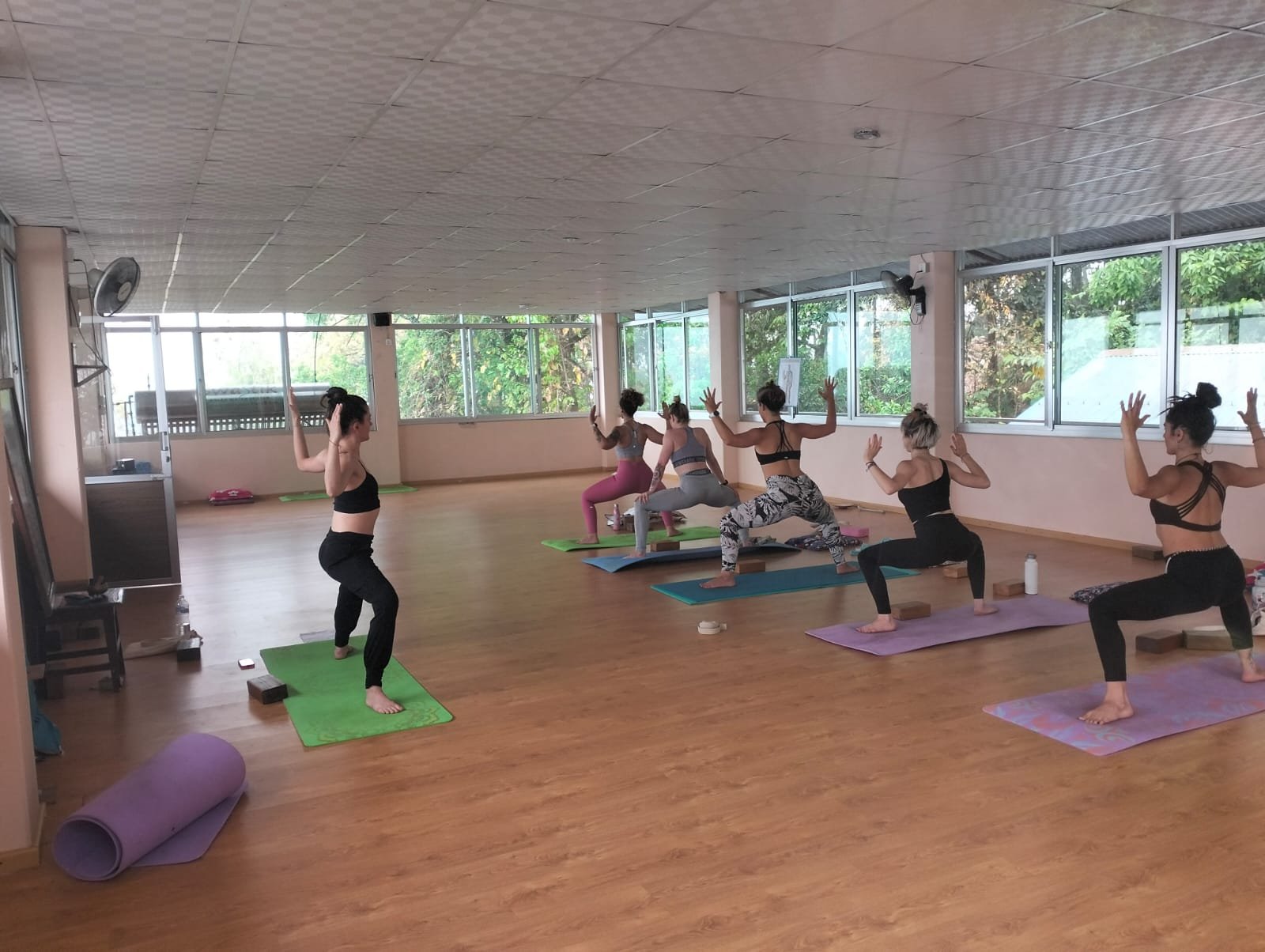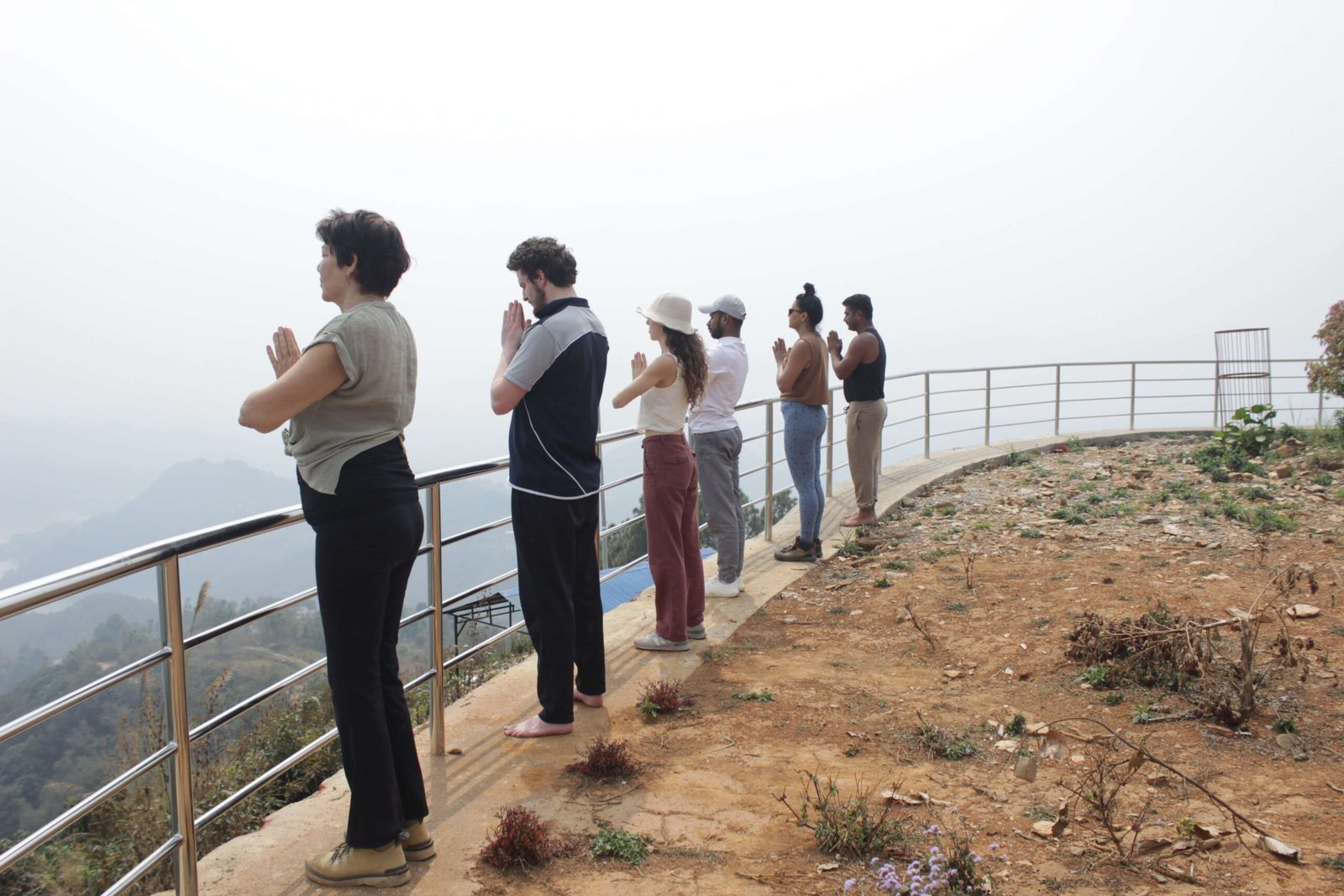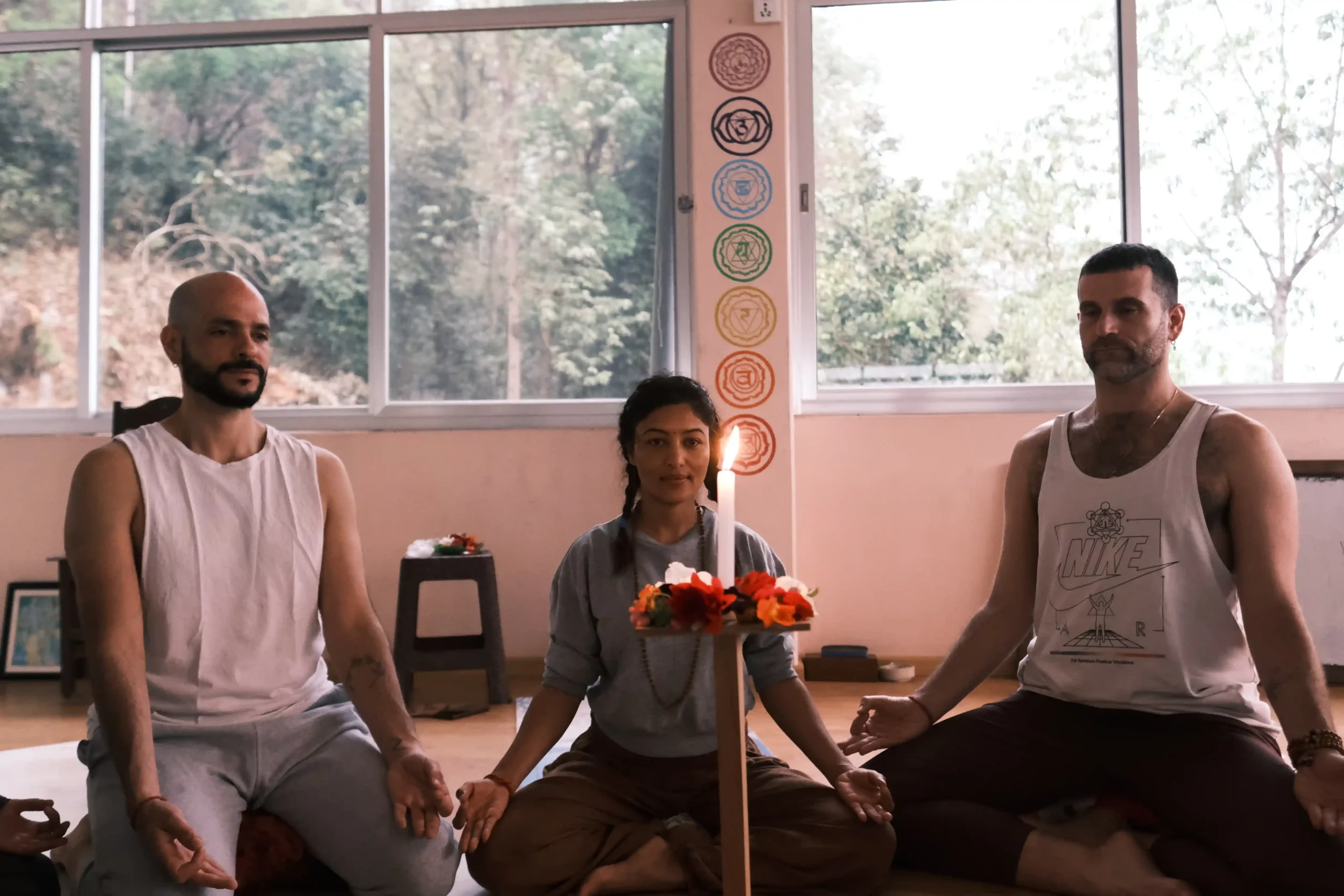
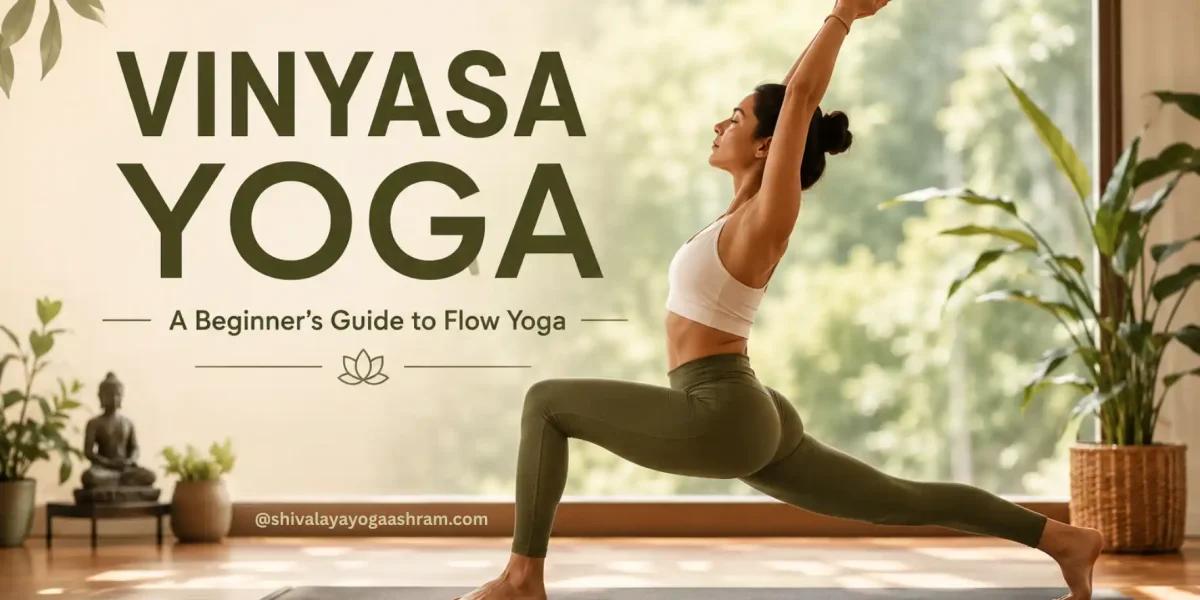
Vinyasa Yoga is one of the most popular yoga styles for people who enjoy movement, flexibility, and mindful breathing. Unlike slower forms of yoga that hold each pose for a long time, Vinyasa Flow Yoga connects every movement with the breath, creating a smooth and continuous flow from one posture to the next. This makes the practice feel energising while also helping improve focus and body awareness.
For beginners, Vinyasa Yoga for Beginners can be an excellent starting point because it builds strength, balance, and flexibility without requiring perfect flexibility on day one. Whether the goal is reducing stress, improving fitness, or starting a consistent yoga routine, this guide explains everything needed to begin with confidence, including the best Vinyasa Yoga Poses, their benefits, and simple practice tips.
What Is Vinyasa Yoga?
The word “Vinyasa” comes from Sanskrit and refers to placing movement and breath together in a purposeful sequence. In Vinyasa Yoga, each inhale and exhale guides the transition between poses, creating a rhythm that keeps both the body and mind engaged. Instead of treating each posture as a separate exercise, the practice encourages smooth movement from one pose to another.
A typical class often includes standing poses, balancing postures, gentle twists, and seated stretches connected through flowing transitions. Since no two classes are exactly the same, Vinyasa Yoga Practice remains dynamic and interesting while helping practitioners develop coordination, endurance, and mindfulness.
How Is Vinyasa Flow Yoga Different from Other Yoga Styles?
Many beginners wonder how Vinyasa Flow Yoga differs from styles like Hatha or Ashtanga Yoga. While Hatha Yoga often focuses on holding postures for longer periods, Vinyasa creates a more continuous rhythm where movement follows the breath. Ashtanga follows a fixed sequence, whereas Vinyasa allows teachers to create different class flows each time.
This flexibility makes Beginner Vinyasa Yoga appealing because classes can be adapted to different fitness levels and goals. Some sessions are gentle and relaxing, while others become more energetic and physically challenging depending on the pace and sequence chosen by the instructor.
Why Is Vinyasa Yoga Suitable for Beginners?
Many people assume they need to be flexible before starting yoga, but that is not true. Vinyasa Yoga for Beginners is designed to help students build flexibility and strength gradually. Most instructors provide easier variations of poses, making it possible for beginners to participate comfortably while improving with regular practice.
Another reason beginners enjoy Vinyasa is that it combines physical movement with mindful breathing. Instead of focusing only on stretching, students learn how to stay present, control their breathing, and move with greater awareness. Over time, this combination helps improve both physical fitness and mental well-being.
Vinyasa Yoga Benefits for Beginners
One of the biggest Vinyasa Yoga Benefits is that it works on multiple aspects of health at the same time. Regular practice improves flexibility, strengthens muscles, supports better posture, and increases overall mobility. Since the body keeps moving throughout the session, it also provides light cardiovascular activity that helps improve stamina.
Beyond physical fitness, Vinyasa Yoga benefits for beginners include better stress management, improved concentration, and greater emotional balance. Matching breath with movement helps calm the nervous system, making many practitioners feel more relaxed and mentally refreshed after each session.
How to Start Vinyasa Yoga
Starting Vinyasa Yoga does not require expensive equipment or advanced skills. Comfortable clothing, a yoga mat, and enough space to move safely are usually enough to begin. Many beginners start with short sessions of 20 to 30 minutes before gradually increasing the duration as their confidence grows. It also helps to focus on breathing rather than trying to perform every pose perfectly. Moving slowly, listening to your body, and resting whenever needed are important parts of learning how to start Vinyasa Yoga safely and consistently.
10 Best Vinyasa Yoga Poses for Beginners
The following Vinyasa Yoga Poses for Beginners create a strong foundation for building a regular practice. Together, they form a simple Vinyasa Yoga Sequence that improves flexibility, strength, and balance.
Mountain Pose
Mountain Pose teaches proper posture and body alignment. Standing tall with steady breathing helps develop balance and awareness before moving into more active poses.
Child’s Pose
Child’s Pose provides a gentle resting position that stretches the back, hips, and shoulders while encouraging slow, relaxed breathing during practice.
Cat-Cow Pose
This flowing movement between arching and rounding the spine improves spinal mobility and helps warm up the body before beginning a longer Vinyasa Yoga Practice.
Downward Facing Dog
One of the most recognised Vinyasa Yoga Poses, Downward Facing Dog stretches the hamstrings, calves, shoulders, and spine while strengthening the arms and core.
Plank Pose
Plank builds core strength, improves stability, and prepares the body for many flowing transitions used throughout a Vinyasa Flow Yoga class.
Cobra Pose
Cobra gently strengthens the back muscles, opens the chest, and helps improve posture after long hours of sitting.
Warrior I
Warrior I develops leg strength, balance, and confidence while encouraging deep breathing during movement.
Warrior II
This pose strengthens the legs, opens the hips, and improves endurance while teaching beginners how to maintain steady breathing during longer holds.
Triangle Pose
Triangle Pose stretches the sides of the body, improves flexibility, and develops greater awareness of alignment.
Seated Forward Fold
Ending with a gentle forward fold helps relax the body, stretch the hamstrings, and prepare for final relaxation.
A Beginner Vinyasa Yoga Sequence
A simple Beginner Vinyasa Yoga Sequence does not need to be complicated. Start with Mountain Pose and a few deep breaths before warming up with Cat-Cow. Move into Downward Facing Dog, then transition through Plank and Cobra before returning to Downward Facing Dog. From there, practise Warrior I, Warrior II, and Triangle Pose on both sides, then finish with Child’s Pose and Seated Forward Fold. This Vinyasa Yoga Sequence for Beginners takes about 20 minutes and provides a balanced introduction to flow yoga.
Common Mistakes Beginners Should Avoid
One of the biggest mistakes is trying to move too quickly. Since Vinyasa Flow Yoga connects movement with breath, rushing through transitions often reduces both balance and control. Beginners should focus on breathing steadily and moving comfortably instead of trying to keep up with others.
Another common mistake is ignoring body signals. Yoga should challenge the body without causing pain, so modifying poses, bending the knees when needed, or taking breaks is part of practising safely. Consistency matters much more than performing advanced postures perfectly.
How Often Should Beginners Practice?
For most beginners, practising Vinyasa Yoga two or three times a week is enough to start seeing improvements in flexibility, strength, and confidence. Short, regular sessions are usually more effective than practising once a week for a long time.
As the body becomes more comfortable with movement, students can gradually increase their practice while exploring different Vinyasa Yoga Poses and longer flowing sequences. The key is building a routine that feels enjoyable and sustainable.
How Does Vinyasa Yoga Support Long-Term Wellness?
Regular Vinyasa Yoga Practice encourages healthy habits that extend beyond the yoga mat. The combination of movement, breathing, and mindfulness helps improve posture, increase energy levels, reduce stress, and support better sleep. Over time, many practitioners also become more aware of their breathing patterns and daily movement, which contributes to overall well-being. Because every class offers something different, Vinyasa remains engaging even after months or years of practice. Whether someone is looking for fitness, relaxation, or a stronger mind-body connection, it provides a balanced approach that supports long-term wellness.
Exploring the Next Step in Your Yoga Journey
As beginners become more confident with Vinyasa Yoga, many choose to deepen their understanding through workshops, retreats, or structured learning programs. While regular classes build practical experience, those interested in teaching later may eventually explore Vinyasa Yoga Teacher Training or pursue Vinyasa Yoga Certification after developing a consistent personal practice. The most important step, however, is building a strong foundation first. Learning proper alignment, understanding breathwork, and practising regularly create the confidence needed before considering advanced study or professional teaching.
Conclusion
Vinyasa Yoga offers an enjoyable and accessible way to build strength, flexibility, balance, and mindfulness through continuous movement and breathing. For beginners, it provides a supportive introduction to yoga without requiring previous experience or advanced flexibility. Every class becomes an opportunity to move with greater awareness while improving both physical and mental well-being. Whether the goal is reducing stress, increasing energy, or creating a healthier lifestyle, Vinyasa Yoga for Beginners offers a practical starting point. By learning the basic poses, following a simple flow, and practising consistently, anyone can begin enjoying the long-term benefits of this dynamic yoga style.
Frequently Asked Questions
What is Vinyasa Yoga?
Vinyasa Yoga is a style of yoga that connects movement with breathing through a continuous flow of poses. Instead of holding postures for long periods, practitioners move smoothly from one pose to another while maintaining steady, mindful breathing.
Is Vinyasa Yoga good for beginners?
Yes. Vinyasa Yoga for Beginners is suitable because instructors usually offer modifications for different fitness levels. Beginners can gradually build strength, flexibility, balance, and confidence while learning proper breathing techniques and body awareness.
What are the best Vinyasa Yoga poses for beginners?
Some of the best Vinyasa Yoga poses for beginners include Mountain Pose, Child’s Pose, Cat-Cow, Downward Facing Dog, Plank, Cobra, Warrior I, Warrior II, Triangle Pose, and Seated Forward Fold.
How do I start Vinyasa Yoga?
To start Vinyasa Yoga, begin with short sessions, comfortable clothing, a yoga mat, and simple beginner-friendly sequences. Focus on matching your breathing with movement rather than trying to perform every pose perfectly.
What are the benefits of Vinyasa Yoga?
Vinyasa Yoga Benefits include improved flexibility, stronger muscles, better posture, increased stamina, reduced stress, improved concentration, better sleep, and greater overall body awareness.
How often should beginners practice Vinyasa Yoga?
Beginners can start with two or three sessions each week. Regular practice helps build confidence, improve mobility, and create a sustainable routine without placing unnecessary pressure on the body.
What is a Vinyasa Yoga sequence?
A Vinyasa Yoga Sequence is a series of yoga poses connected through breathing. Movements flow naturally from one posture to another, creating a balanced practice that develops strength, flexibility, coordination, and mindfulness.
Also Read:
10 Best Yoga Poses for Digestion