Meditation is a simple practice, but building a regular routine can be challenging when you are just starting. You might get distracted, struggle to concentrate or even question if you are doing it right. The great news is that meditation doesn’t require a special piece of equipment or advanced skills or hours of daily practice.
With a few simple tips, you can start creating your own meditation practice that’s comfortable and consistent. Getting away for a meditation retreat is also a helpful way to extend your practice, giving you the opportunity to practice mindfulness, breath, yoga, and self-awareness.
Many people come to Nepal for spiritual experiences, peaceful natural surroundings, and traditional yoga practices. There are various options to explore including meditation centers, monasteries, and yoga ashramas close to Pokhara.
In this guide, we will explain the eight practical rules of meditation and discuss where you can find meditation retreats in Nepal.
What Are the 8 Rules of Meditation?
There is no single set of rules that applies to every meditation tradition. However, the following eight guidelines can help beginners develop a comfortable and regular practice.
1. Choose a Quiet and Comfortable Place
Your surroundings can make a difference when you meditate. Find a seat where you can sit without being interrupted too often, without having to listen to loud conversations, or without any unnecessary distractions.
You do not need a specially designed meditation room. It could be a quiet room in your house, a serene garden, or a comfortable outdoor spot.
Hold the practice in the same location whenever possible. Using the same environment can make it easier to get used to the routine over time.
2. Maintain a Comfortable Posture
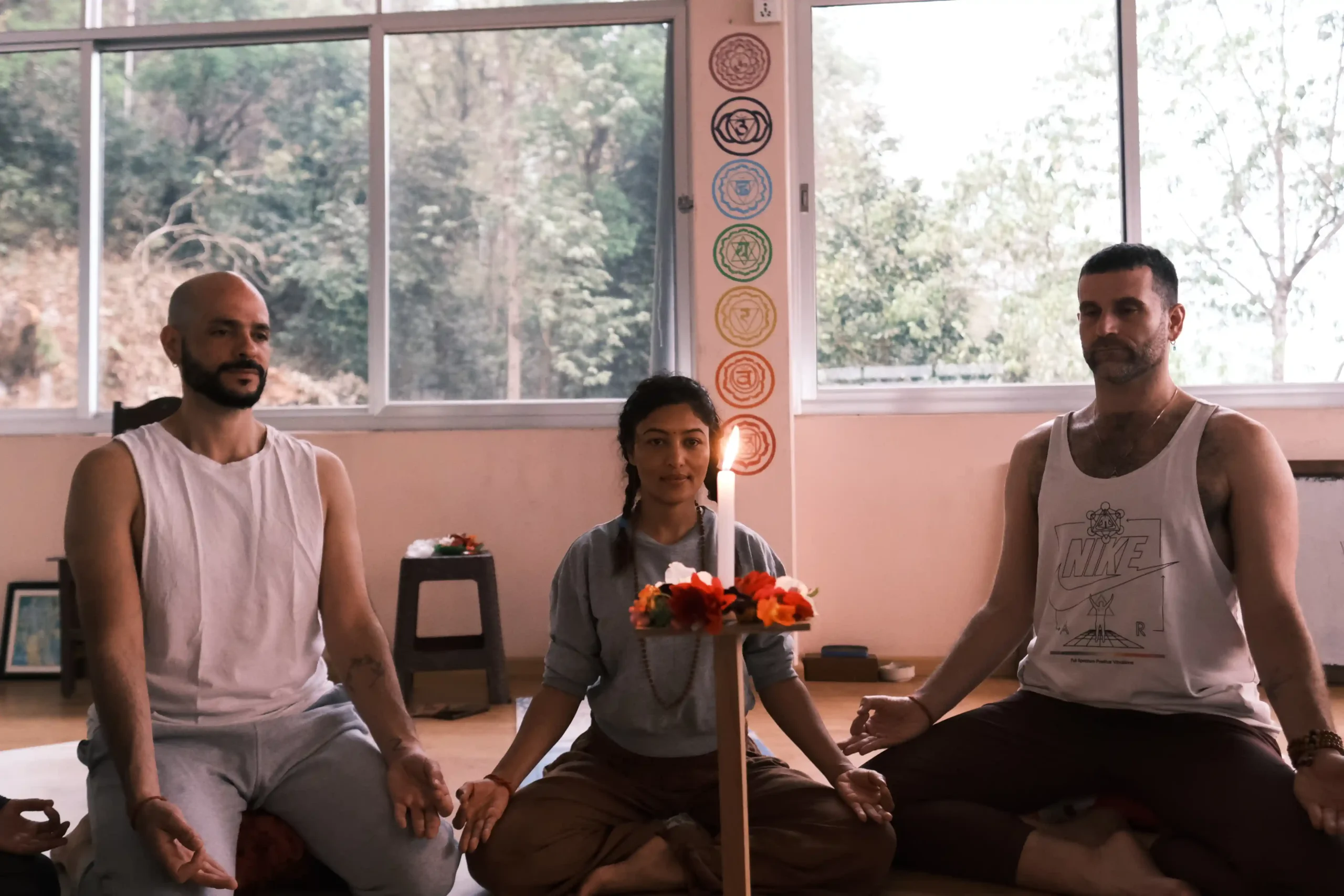
You do not have to sit in a difficult cross-legged position to meditate. The most important thing is to find a posture that allows you to remain comfortable and alert.
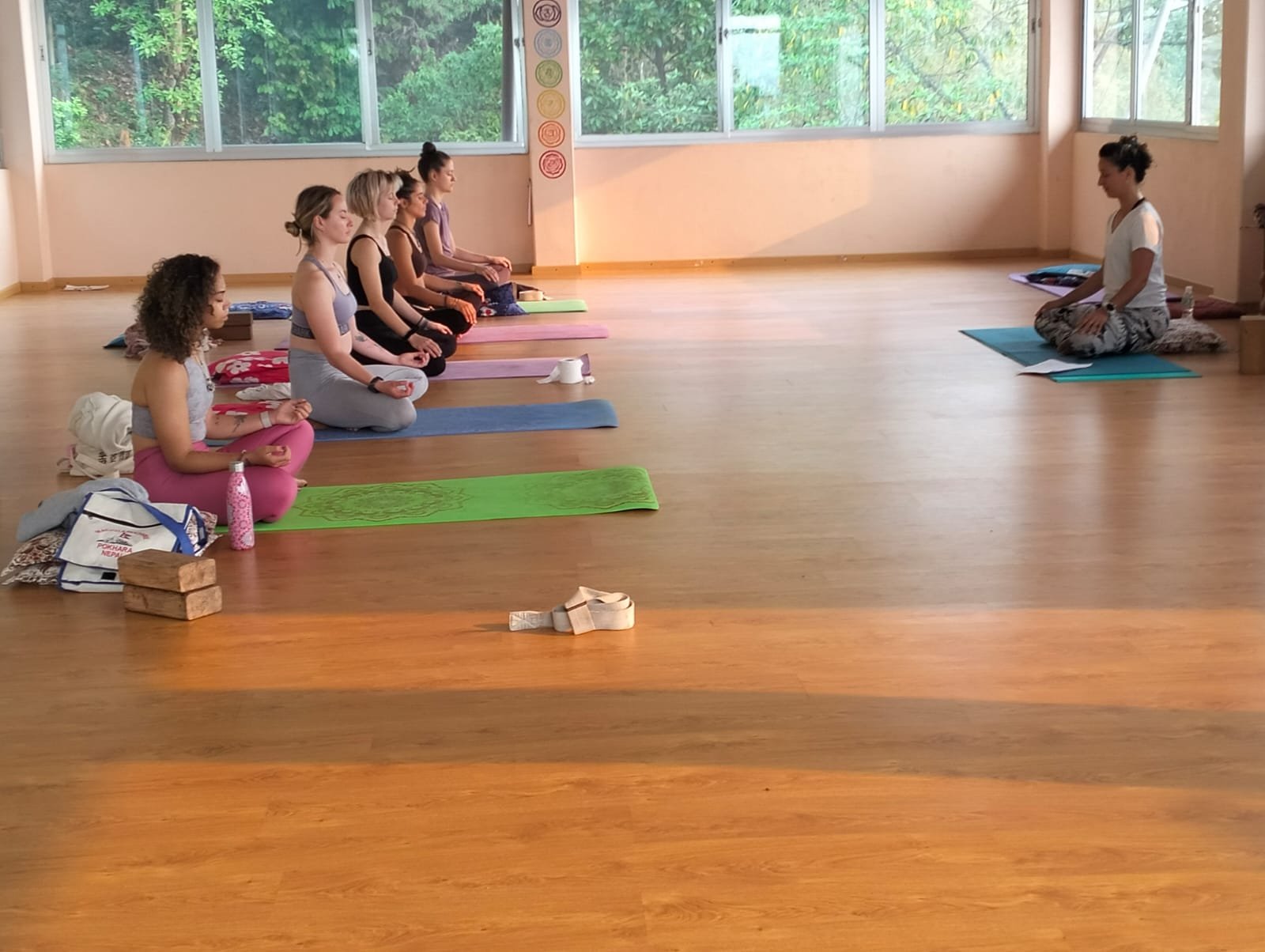
You can sit on a meditation cushion, yoga mat or chair. Keep your back naturally upright, relax your shoulders and rest your hands comfortably on your knees or in your lap.
Avoid forcing your body into a position that causes pain. Meditation should not become a physical struggle.
3. Start with Short Meditation Sessions
Beginners often believe that meditation requires sitting for 30 minutes or longer. When people are expecting something, it can be challenging to create a routine.
Begin with 5-10 minutes a day. After getting used to them, slowly start increasing the duration as per your need.
It is easier to keep up with regular short sessions, than occasional long sessions. Allow yourself time to get used to the practice.
4. Focus on Your Breathing
Breathing is one of the simplest ways to bring your attention to the present moment.
Sit comfortably and notice how your breath moves in and out. Watch the natural rhythm, don’t try to take every breath in and out at the correct moment.
When your mind moves towards other thoughts, gently bring your attention back to breathing.
It is not necessary to eliminate all thoughts. When one realizes that the mind has wandered and brings it back to the breath, it is important in meditation.
5. Avoid Judging Your Thoughts
One common misunderstanding about meditation is that you must empty your mind completely.
The mind can keep going back to thoughts, memories, plans and emotions during meditation. This is normal; particularly if you are starting out.
Don’t let it get frustrated, just be aware of the thought and let it go without following. Come back to your chosen focus point.
It is not to battle thoughts, but rather to grow more aware and patient with them.
6. Do Not Force Your Breathing or Body
Meditation should feel natural and comfortable. Avoid forcing deep breathing, holding your breath for long periods or sitting in a painful position.
Allow your breathing to follow its natural rhythm unless you are practising a specific breathing technique under suitable guidance.
If you experience discomfort, adjust your posture or take a break. A comfortable practice is more useful than trying to achieve a particular experience.
7. Practise Regularly
Consistency is one of the most important parts of meditation.
Pick a time that will work for you. For some the morning is the best time to meditate, while for others it is more convenient in the evening.
It can start after just a few minutes, and then gradually build up to a routine. Aim to practise frequently, don’t wait for the right mood or setting.
Meditation can become a routine with you over time.
8. Be Patient with Your Progress
Meditation is a personal practice, and everyone’s experience is different. The sessions may be relaxing or restless and interrupted.
Please do not compare your experience with another person’s practice. Don’t make hasty judgments and don’t try for instant results or to rate your level of calmness.
Allow yourself time to make sense out of the process. With patience and practice, and guidance, meditation can be a more intimate practice.
Where Can I Find Meditation Retreats in Nepal?
Nepal offers different settings for meditation retreats, including Buddhist monasteries, meditation centres and yoga ashrams. The right choice depends on the type of experience you want.
Here are some options to consider:
1. Pokhara – Meditation Retreats Near Nature
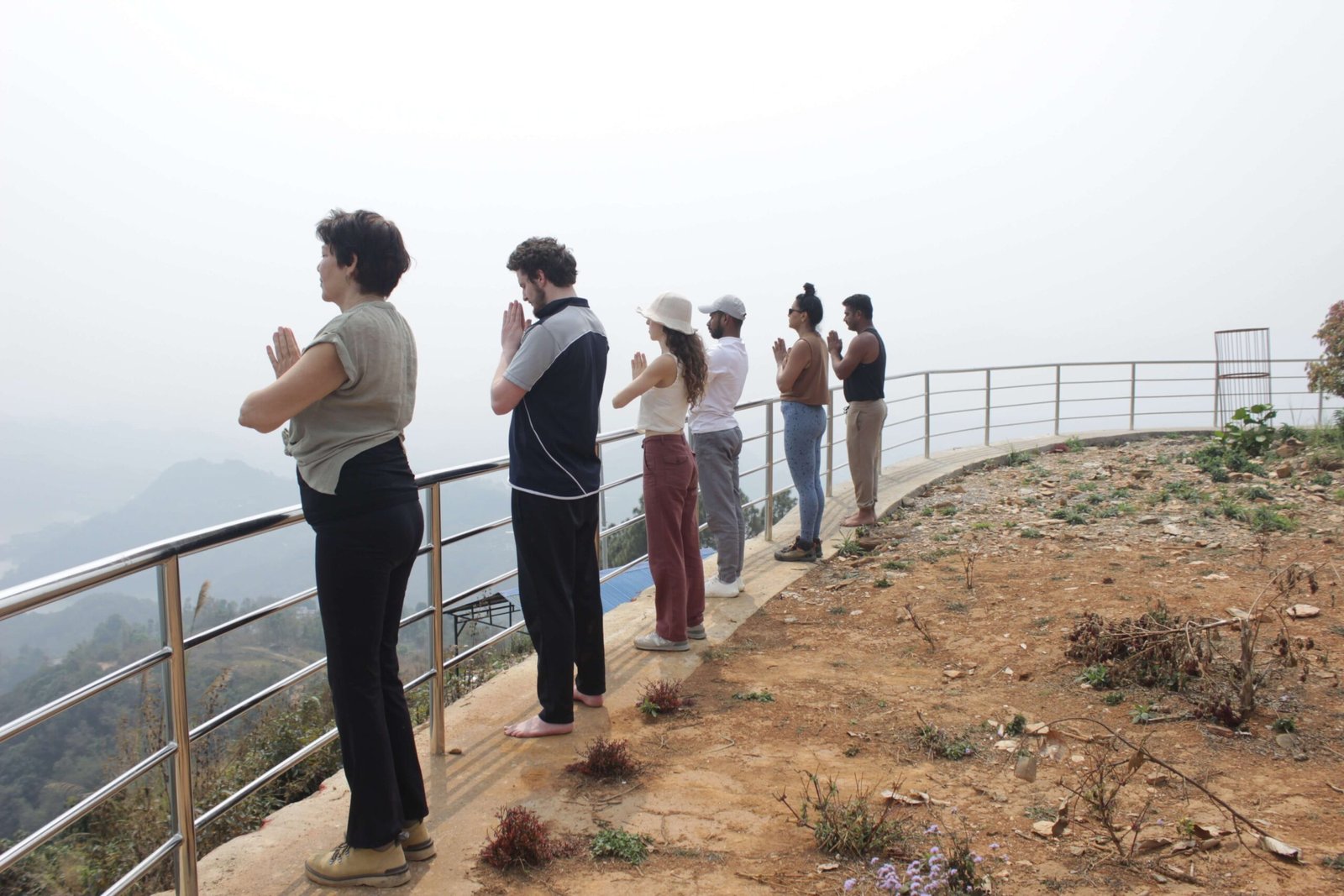
Pokhara is an attractive destination for people who want to combine meditation with yoga and time in nature. The city is known for its lakes, green hills and mountain surroundings.
Areas around Begnas Lake offer a quieter setting away from some of the busier tourist areas. You can explore yoga ashrams and retreat programmes that include meditation, breathing exercises and relaxation practices.
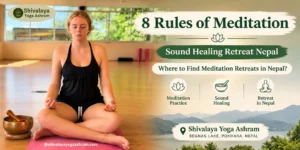
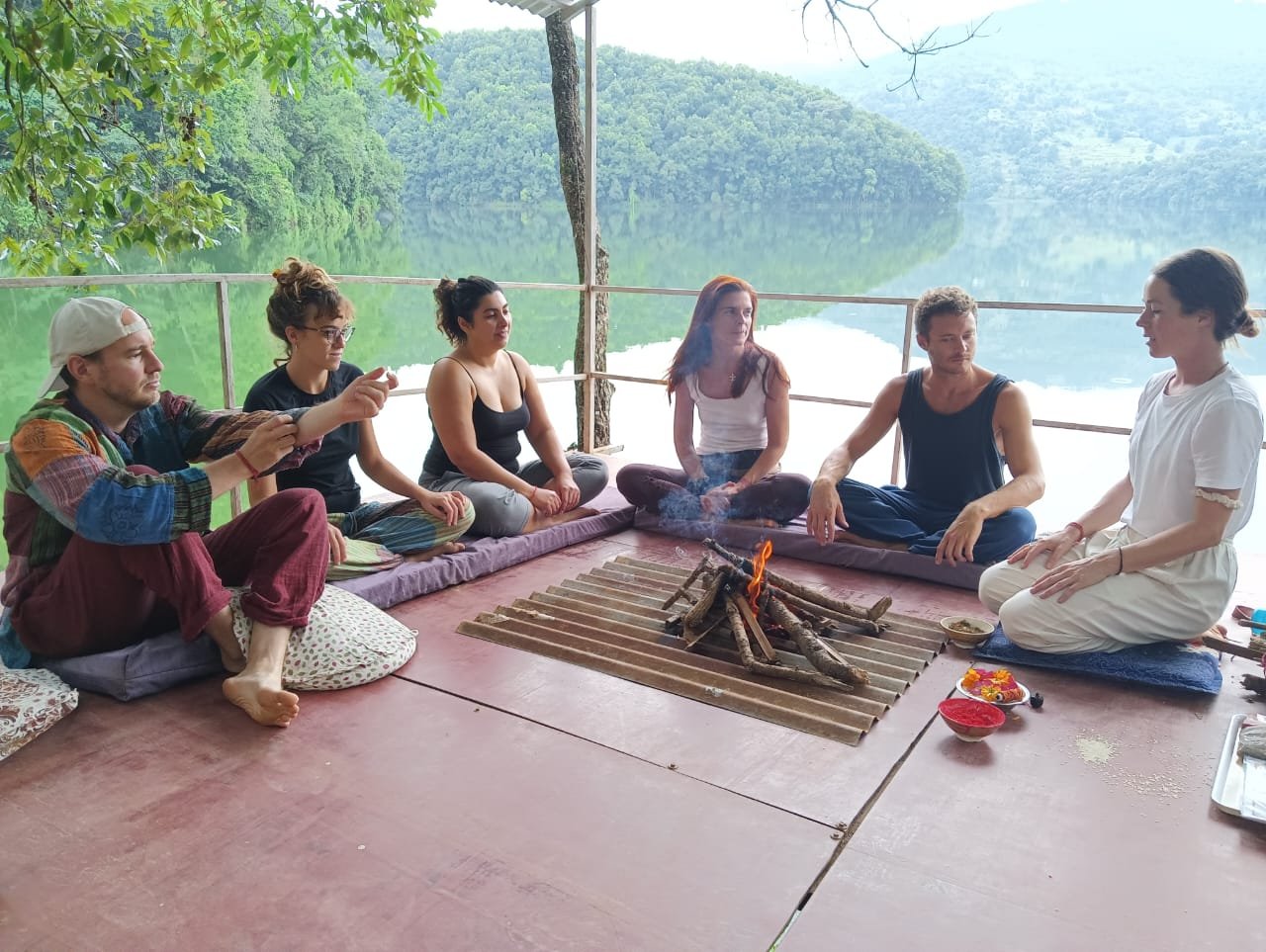
Shivalaya Yoga Ashram, located near Begnas Lake in Pokhara, offers yoga retreats, meditation practices and sound healing experiences. Its natural surroundings provide a peaceful setting for people who want to spend time practising yoga and reconnecting with themselves.
2. Kathmandu Valley – Buddhist Meditation Experiences
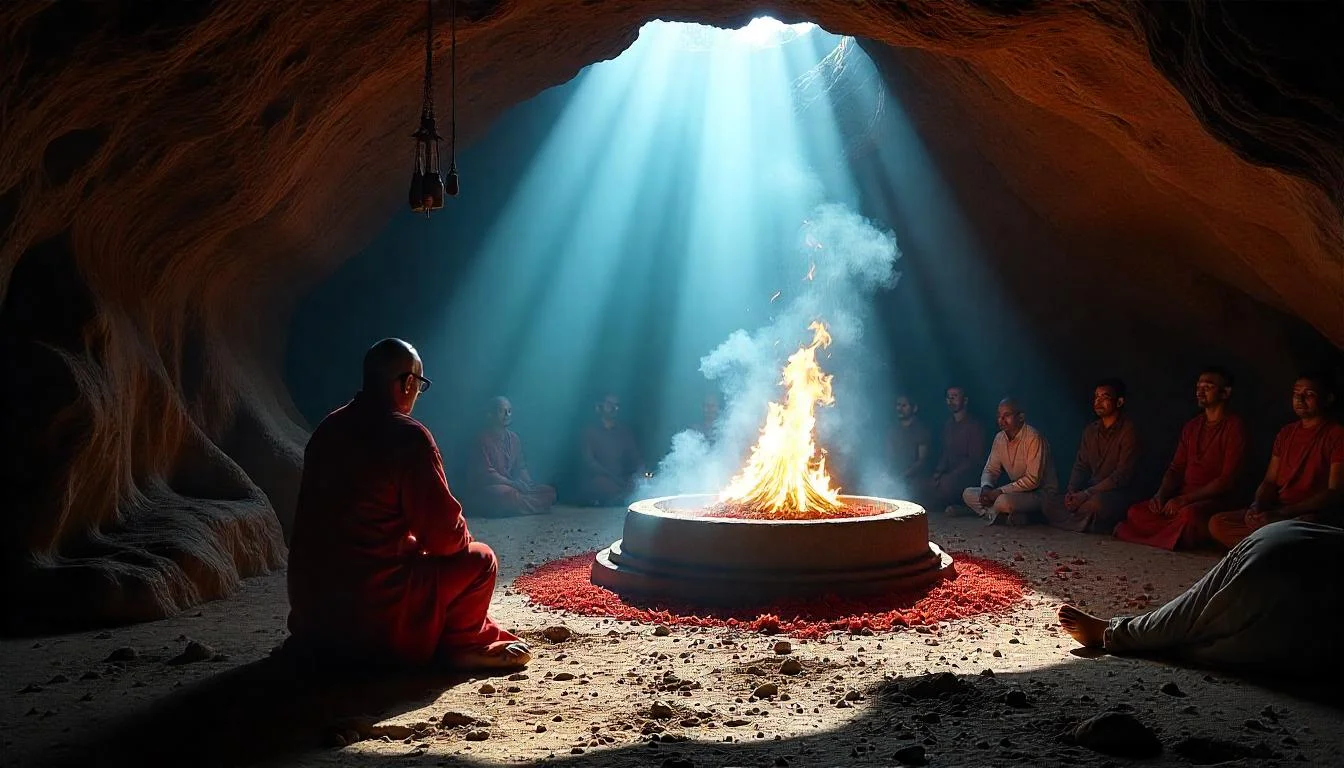
Kathmandu Valley has several Buddhist monasteries and meditation centres where visitors can explore Buddhist teachings and meditation practices.
Some programmes focus on mindfulness, Buddhist philosophy, silent practice or guided meditation. Check the centre’s schedule, course requirements and accommodation arrangements before planning your visit.
3. Lumbini – A Spiritual Destination
Lumbini is an important Buddhist pilgrimage destination and attracts visitors interested in Buddhist history and spiritual traditions.
Visitors can explore monasteries and peaceful surroundings. If you are planning a structured meditation programme, confirm whether the monastery or centre offers a course during your intended travel dates.
4. Choose a Yoga Ashram for a Combined Experience
If you want more than sitting meditation, a yoga ashram may be a suitable option.
Some ashrams combine meditation with yoga postures, pranayama, mantra chanting, relaxation and yogic philosophy. This allows visitors to experience different aspects of traditional yoga practice during one retreat.
Before booking, check the daily schedule, teacher experience, accommodation, meals and practices included in the programme.
Why Choose Shivalaya Yoga Ashram for a Meditation Retreat in Nepal?
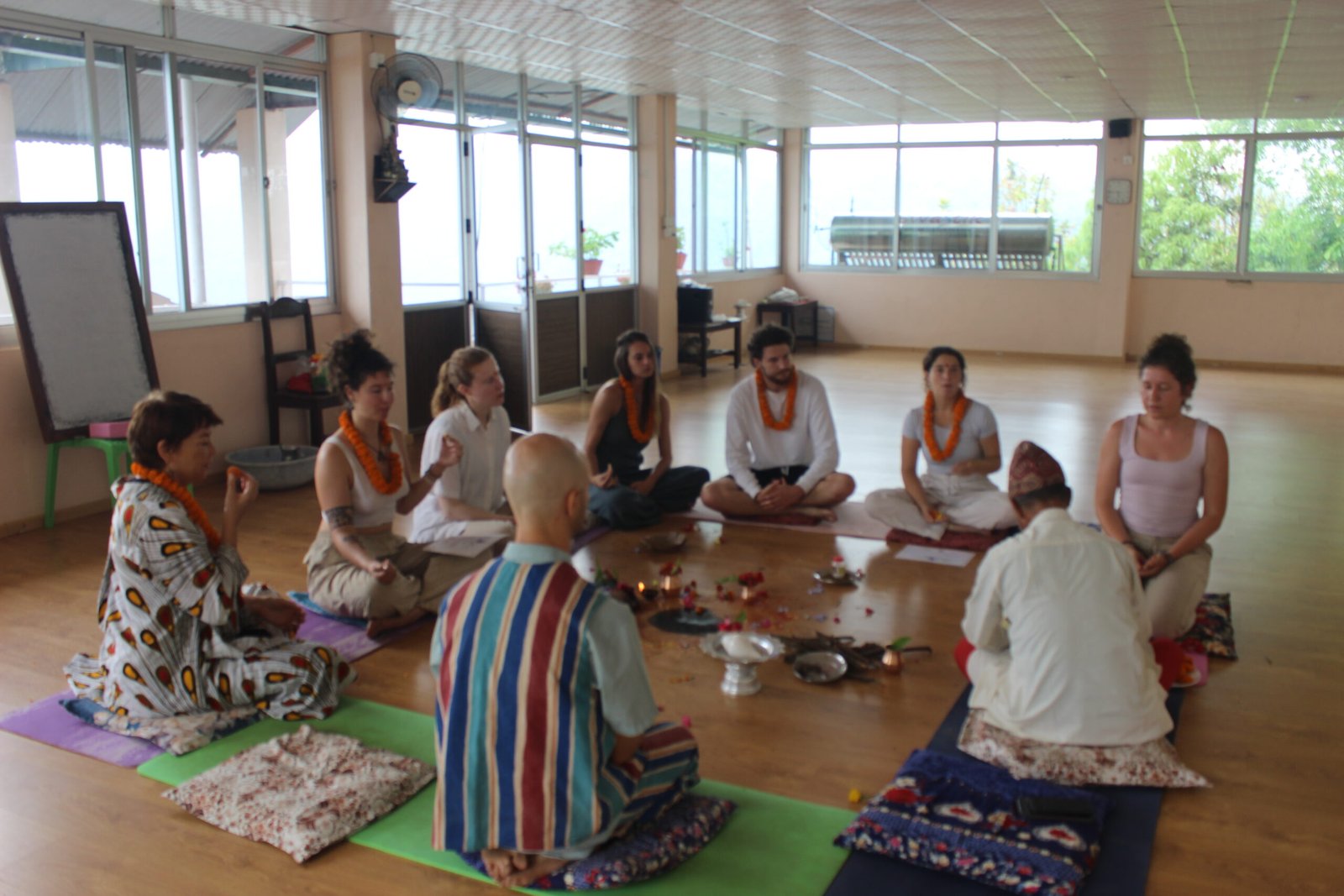
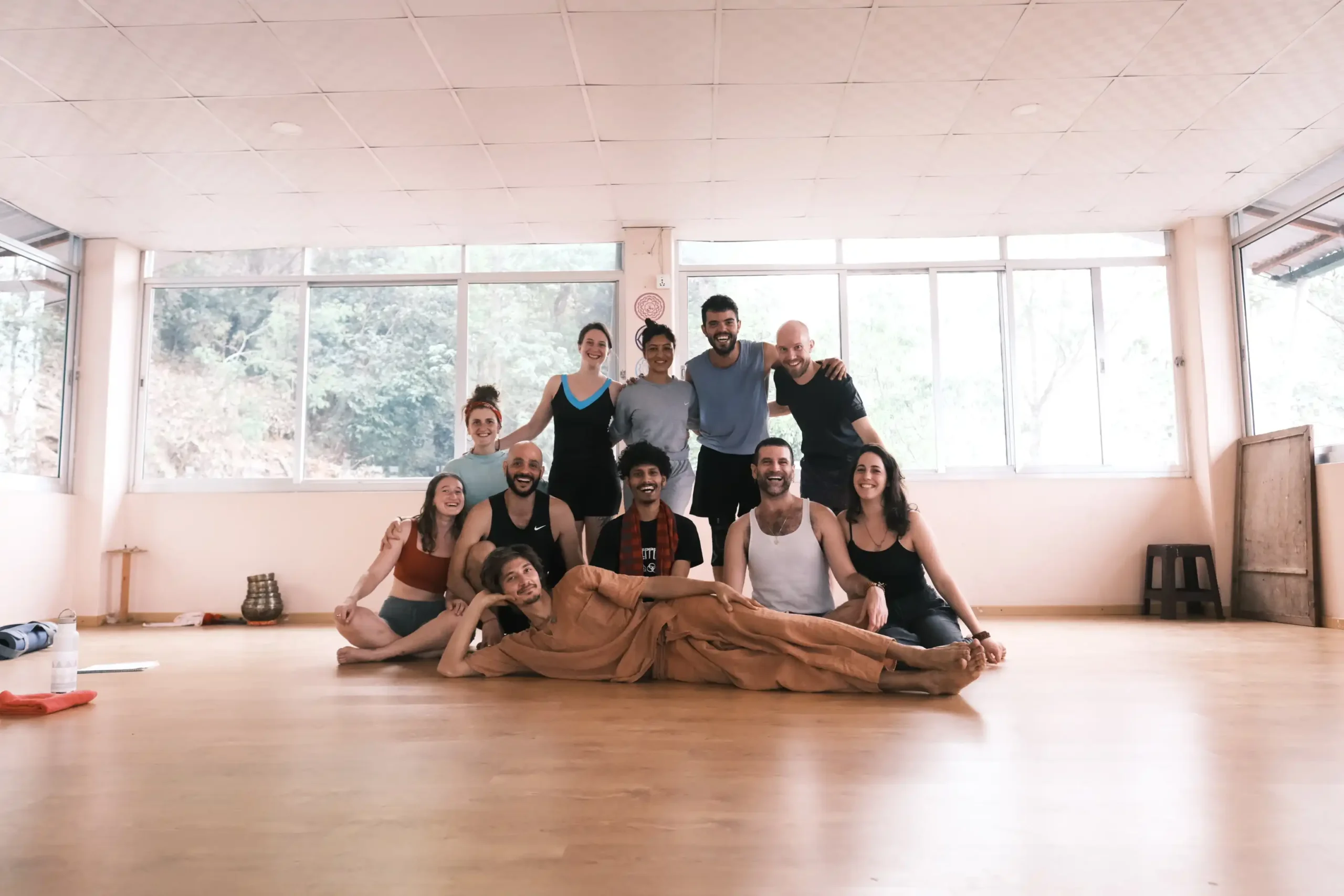
Shivalaya Yoga Ashram is situated near Begnas Lake in Pokhara, Nepal. Surrounded by green hills, forests and natural scenery, the ashram offers an environment for people interested in yoga, meditation and spiritual practices.
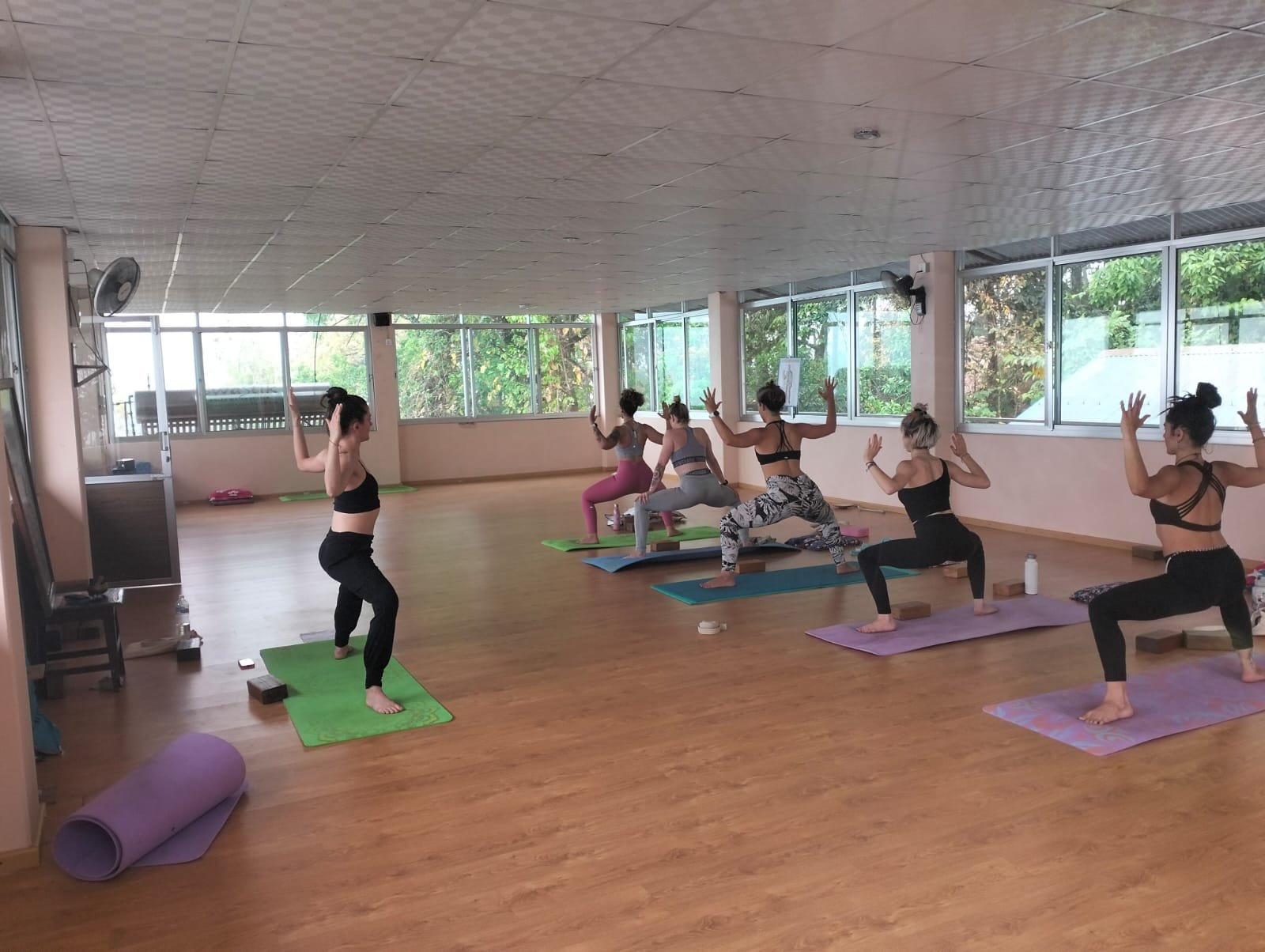
The retreat experience combines different elements of traditional yoga, allowing participants to spend time on both physical practice and inner awareness.
Depending on the programme, activities may include:
- Daily yoga and meditation practice
- Pranayama and breathing exercises
- Yoga Nidra and relaxation
- Mantra chanting
- Sound healing sessions
- Nature walks and time around Begnas Lake
- Vegetarian meals and ashram living
The ashram offers yoga retreats as well as sound healing experiences. If you are looking for a meditation retreat in Nepal, you can contact the team to discuss available programmes and the activities included in your preferred dates.
Explore Yoga Retreats at Shivalaya Yoga Ashram
How to Choose the Right Meditation Retreat in Nepal
Before booking a retreat, consider what you want to gain from the experience.
Understand the retreat schedule: Check whether the programme includes guided meditation, silent practice, yoga, pranayama or sound healing.
Check the duration: Retreats can range from short experiences to programmes lasting several days or weeks. Choose a duration that suits your travel plans and experience level.
Ask about the teachers: Find out who will guide the sessions and what experience they have with the practices included.
Review accommodation and meals: Check whether accommodation, meals, transport and other facilities are included in the retreat fee.
Consider the location: Decide whether you prefer a monastery, a meditation centre or a nature-based yoga ashram.
Confirm the details before booking: Ask about availability, the daily routine, the total cost and any preparation required.
Conclusion
Meditation does not require perfection. It begins with small steps, regular practice and patience. By following eight simple guidelines, beginners can develop a routine that fits their lifestyle and personal needs.
If you want to explore meditation beyond your daily routine, Nepal offers several places where you can experience yoga, mindfulness and spiritual practices. Pokhara, especially the peaceful surroundings near Begnas Lake, is worth considering for a nature-based retreat.
At Shivalaya Yoga Ashram, you can explore yoga retreats, meditation practices and sound healing experiences in a natural setting near Begnas Lake.
Planning a meditation or sound healing experience in Nepal? Contact Shivalaya Yoga Ashram to discuss available retreat programmes.
Frequently Asked Questions
1. What are the 8 rules of meditation?
Eight practical guidelines are choosing a quiet place, maintaining a comfortable posture, starting with short sessions, focusing on breathing, avoiding judgement of thoughts, not forcing the body or breath, practising regularly and being patient with progress.
2. Where can I find meditation retreats in Nepal?
You can explore meditation programmes in Pokhara, Kathmandu Valley and Lumbini. Pokhara is a suitable option for people interested in combining meditation, yoga and natural surroundings. Shivalaya Yoga Ashram near Begnas Lake offers yoga retreats, meditation practices and sound healing experiences.
3. Is Nepal a good destination for a meditation retreat?
Nepal offers Buddhist monasteries, yoga ashrams, meditation centres and peaceful natural settings. The right destination depends on whether you prefer Buddhist meditation, yoga-based practices, silent retreats or a combination of different activities.
4. What is a sound healing retreat?
A sound healing retreat includes sessions that use instruments such as Tibetan singing bowls and gongs as part of a relaxation or wellness programme. Some yoga retreats also include sound healing alongside meditation and breathing practices.
5. Can beginners join a meditation retreat in Nepal?
Many yoga and meditation programmes welcome beginners. However, requirements vary between centres. Check the programme details and let the organisers know about your previous experience before booking.
6. How many days should I spend at a meditation retreat?
The duration depends on your goals and available time. A short retreat can introduce you to meditation and yoga practices, while a longer programme allows more time to develop a routine. Check the daily schedule before choosing.
7. What should I bring to a meditation retreat?
Pack comfortable clothing, personal toiletries, any necessary medication, a reusable water bottle, a notebook and suitable footwear. Check with the retreat organiser to find out whether meditation cushions, yoga mats and other equipment are provided.
8. Does Shivalaya Yoga Ashram offer meditation and sound healing?
Yes. Shivalaya Yoga Ashram offers meditation as part of its yoga and retreat practices, along with sound healing experiences and a dedicated sound healing course in Pokhara, Nepal. Contact the ashram for current programme details and availability.