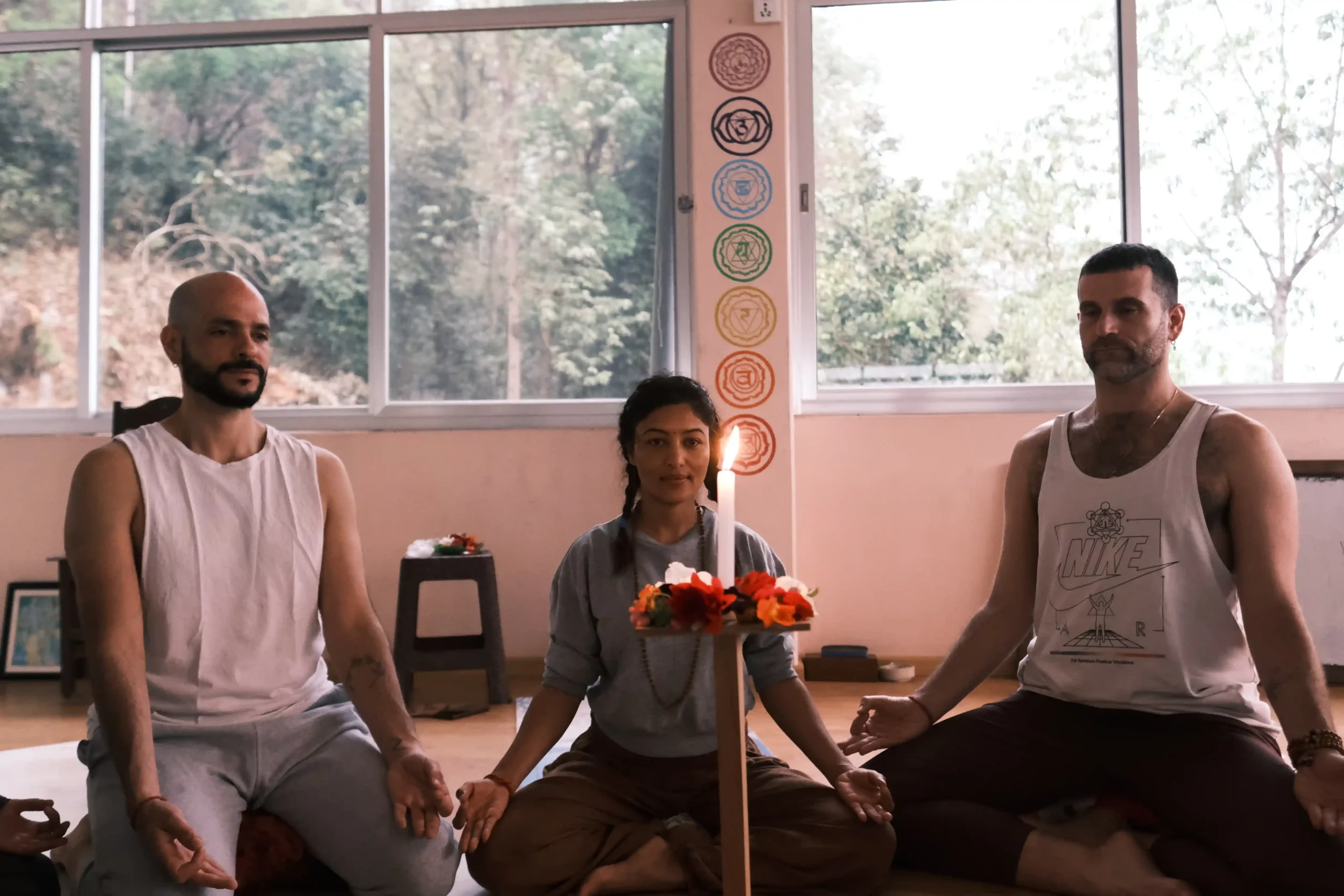
Choosing the right destination for yoga teacher training is an important decision for anyone who wants to turn a personal yoga practice into a deeper learning experience or a professional teaching career. Yoga Teacher Training in Sri Lanka and Bali attracts students from around the world because both destinations offer immersive yoga environments, experienced teachers, natural surroundings, and wellness-focused lifestyles. While Sri Lanka is known for its peaceful island atmosphere and slower pace of life, Bali has developed a strong international yoga community with a wide variety of teacher training courses.
Both destinations offer opportunities to study traditional and modern approaches to yoga, including Hatha Yoga, Vinyasa Yoga, Ashtanga Yoga, meditation, pranayama, anatomy, yoga philosophy, alignment, and teaching methodology. However, the experience can be quite different depending on the location, school, course structure, and teaching approach. Understanding these differences can help students choose a Yoga Teacher Training Course that suits their experience, budget, learning goals, and future plans.
Why Choose Yoga Teacher Training in Sri Lanka and Bali
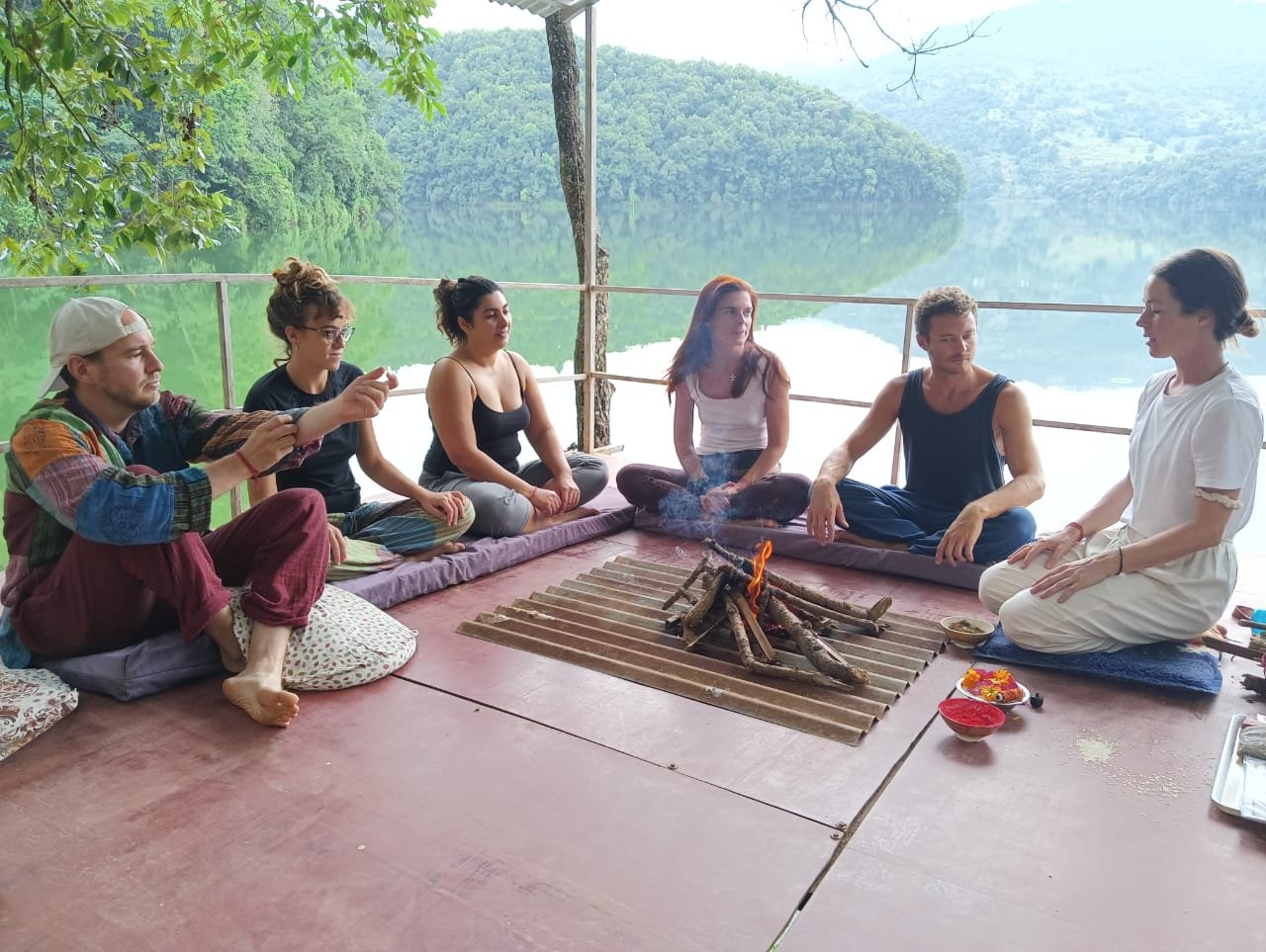
Sri Lanka and Bali provide more than a classroom for learning yoga. Residential training allows students to step away from their normal routines and follow a structured lifestyle built around yoga practice, meditation, healthy living, study, and self-reflection. This immersive approach can help students develop discipline and understand how yoga can become part of everyday life rather than remaining something they practise for a short period each day.
The two destinations, however, offer different experiences. Sri Lanka can appeal to students looking for a quieter island environment, peaceful coastal surroundings, and a slower daily rhythm. Bali offers a much larger international wellness community, with numerous yoga studios, retreats, training centres, and practitioners from different parts of the world. Both can provide an enriching learning experience, but the right choice depends on the type of environment in which you feel most comfortable learning.
Yoga Teacher Training in Sri Lanka
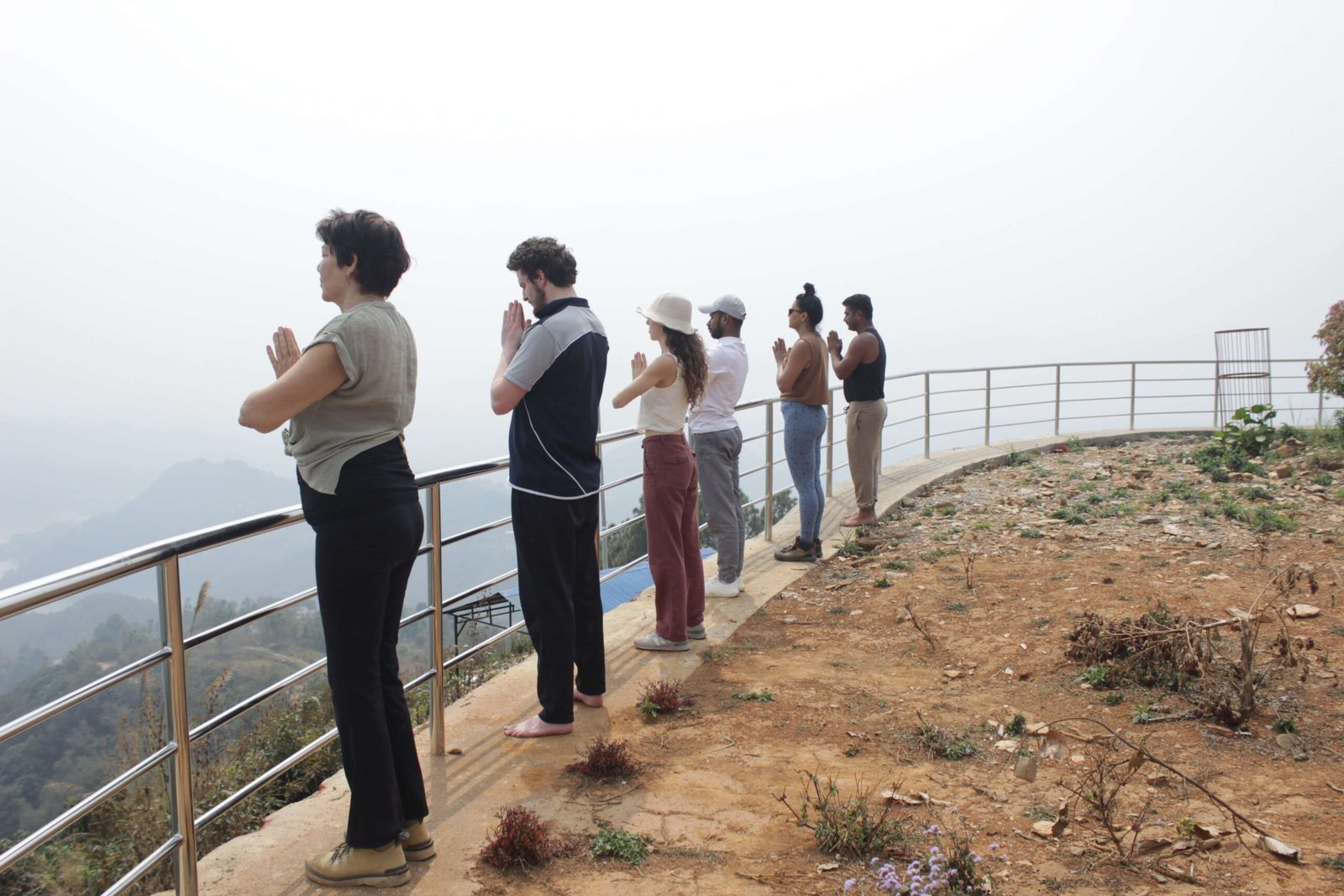
A Yoga Teacher Training in Sri Lanka can be an appealing option for students who want to combine serious yoga education with a peaceful natural setting. Many training centres are located close to beaches, forests, or quieter communities, allowing students to follow an immersive routine while remaining connected with nature. The environment can make it easier to slow down, reduce distractions, and dedicate more time to personal practice and study.
Training programs in Sri Lanka can cover subjects such as Hatha Yoga, Vinyasa, meditation, pranayama, anatomy, alignment, yoga philosophy, sequencing, and teaching methodology. Depending on the school, students may also explore Ayurveda, mindful living, traditional yogic practices, and holistic wellness. This combination allows participants to understand yoga beyond physical postures and develop knowledge that can support both personal growth and future teaching.
Yoga Teacher Training in Bali
Bali has become one of the most recognised international destinations for yoga education and wellness. Students searching for Yoga Teacher Training in Bali can find courses covering a wide range of styles, including Hatha, Vinyasa, Ashtanga, Yin, restorative yoga, and multi-style teacher training. The variety allows students to compare different schools and choose a program based on their preferred style, experience, teaching goals, and learning environment.
Another advantage of Bali is its international yoga community. Residential courses bring together students from different countries, giving participants the opportunity to learn alongside people with different backgrounds and experiences. For aspiring teachers, this can be valuable because yoga classes often include students from different cultures, age groups, and experience levels. Learning in an international environment can therefore help future teachers become more adaptable and confident.
Sri Lanka vs Bali for Yoga Teacher Training
Choosing between Sri Lanka and Bali is not simply about deciding which destination is better. It is about deciding which environment fits your personal learning style. Sri Lanka may be more suitable for students who prefer peaceful surroundings, nature, smaller communities, and a slower island lifestyle. Bali may be a better fit for students who want a larger wellness scene, more training choices, and greater exposure to an international yoga community.
The course itself should be given more importance than the destination. Before enrolling, compare the curriculum, teachers, practical teaching sessions, course duration, accommodation, class size, certification, student reviews, and what is included in the course fee. A beautiful location can improve the experience, but a well-designed curriculum and experienced teachers will have a much greater impact on the knowledge and skills you gain.
What Do You Learn During Yoga Teacher Training
A 200-hour Yoga Teacher Training Course generally introduces students to the main areas of yoga and provides the foundation needed to begin teaching. The curriculum normally goes beyond asana practice and includes subjects such as anatomy, pranayama, meditation, yoga philosophy, teaching methodology, alignment, adjustments, sequencing, ethics, and practical teaching. Each subject contributes to a broader understanding of how yoga can be practised and taught safely.
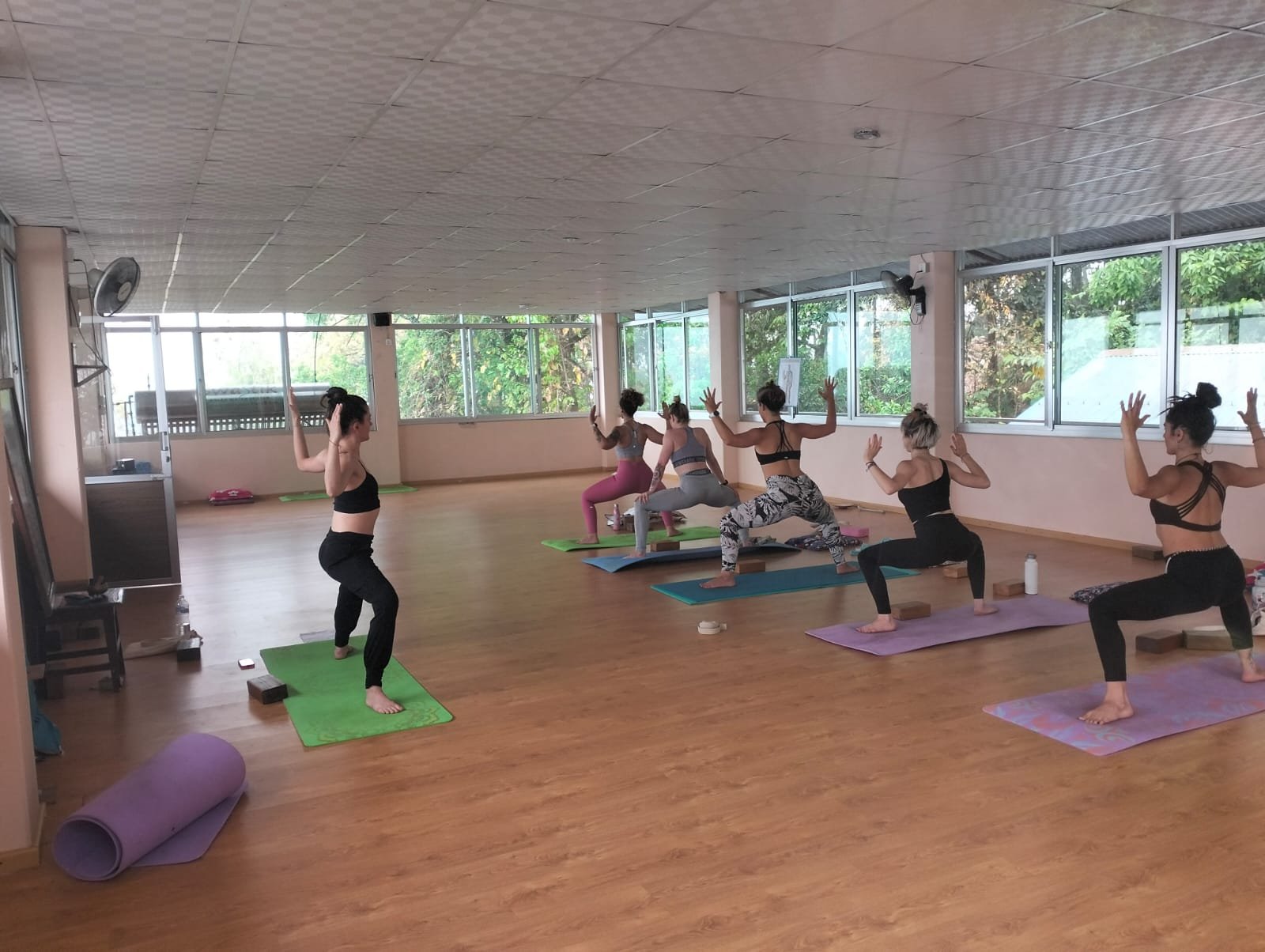
Asana sessions help students improve their own practice while learning how postures can be modified for different bodies and abilities. Anatomy helps future teachers understand movement and student safety, while philosophy provides a deeper understanding of traditional yogic teachings. Teaching methodology brings these areas together by helping students learn how to communicate clearly, plan classes, observe students, provide instructions, and create a supportive learning environment.
What Does a Typical Day Look Like
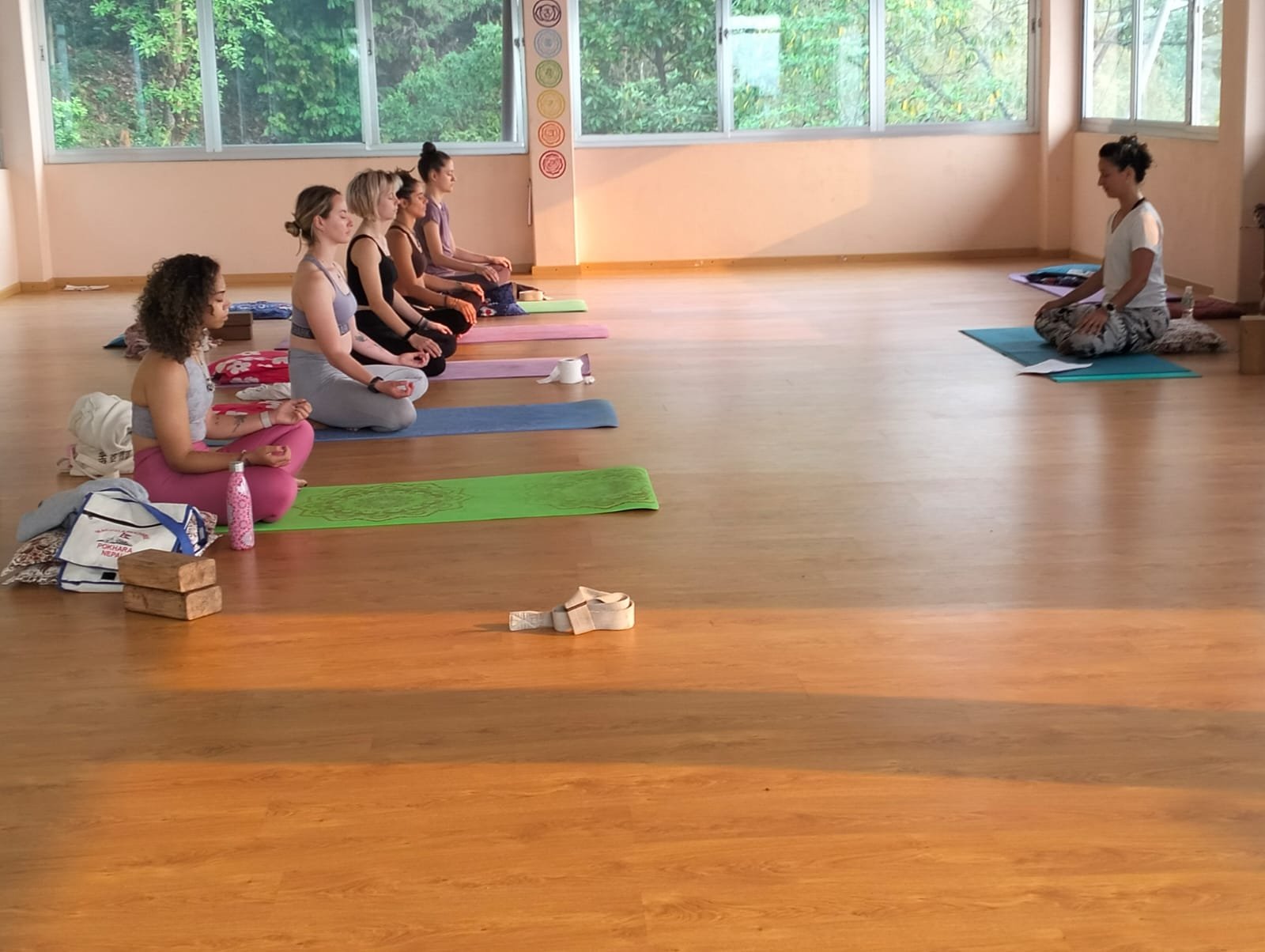
A residential yoga teacher training usually follows a structured schedule that balances physical practice, academic learning, teaching practice, and personal reflection. Mornings may begin with meditation and pranayama before moving into an asana session. After breakfast, students usually attend theory classes covering subjects such as anatomy, yoga philosophy, teaching methodology, or sequencing. Practical sessions may then give students an opportunity to apply what they have learned.
Teaching practice is an important part of the experience because students gradually move from observing teachers to practising instructions and eventually leading sections of classes. Evenings may include meditation, discussions, self-study, journaling, or quiet personal time. Following this routine for several weeks allows students to experience yoga as a lifestyle while developing the discipline and confidence needed to teach others.
How to Choose the Right Yoga Teacher Training Course
With so many courses available in Sri Lanka and Bali, careful research is important before making a decision. Start by checking whether the curriculum covers the subjects you want to study and whether enough time is given to practical teaching. Students planning a professional career should pay particular attention to teaching methodology, anatomy, sequencing, alignment, adjustments, assessment, and supervised teaching sessions.
It is equally important to research the instructors and the learning environment. Look at teacher qualifications, experience, student reviews, class size, accommodation, meals, course duration, and certification details. If you are specifically looking for Yoga Alliance certified yoga teacher training, check the school’s current registration and understand what certificate you will receive after completing the course. Choosing a program based on these factors rather than location alone can make your training much more valuable.
200-Hour vs 300-Hour Yoga Teacher Training
A 200-hour program is generally the foundation for students who want to develop professional yoga teaching skills. It introduces the main areas of yoga and gives students an opportunity to practise teaching under guidance. A 300-hour program is intended for practitioners who already have foundational training and want to develop their knowledge further through advanced study and greater teaching experience.
The difference is mainly the depth and level of learning. Advanced programs may explore anatomy, sequencing, philosophy, meditation, adjustments, teaching methodology, and specialised practices in greater detail. Students who are unsure about which level to choose should consider their existing qualifications and long-term goals rather than choosing a course simply because it has more hours.
This guide can help students understand the key differences between the two training levels before choosing their next step.
Read Also: 200 Hour vs 300 Hour Yoga Teacher Training
Career Opportunities After Yoga Teacher Training
Completing a recognised Yoga Teacher Training Course can create different opportunities within the wellness industry. Graduates may teach at yoga studios, wellness centres, retreat properties, resorts, gyms, private settings, and online platforms. With experience, some teachers develop specialised classes, workshops, private coaching programs, or corporate wellness sessions.
However, a certificate alone does not create a successful teaching career. Future yoga teachers also need communication skills, confidence, professional discipline, class-planning abilities, student observation skills, and an understanding of how to adapt practices for different people. A strong teacher training program should therefore prepare students to apply their knowledge in real teaching situations rather than focusing only on completing a final examination.
Read Also: Yoga Teacher Salary Country Wise
Why the Learning Environment Matters
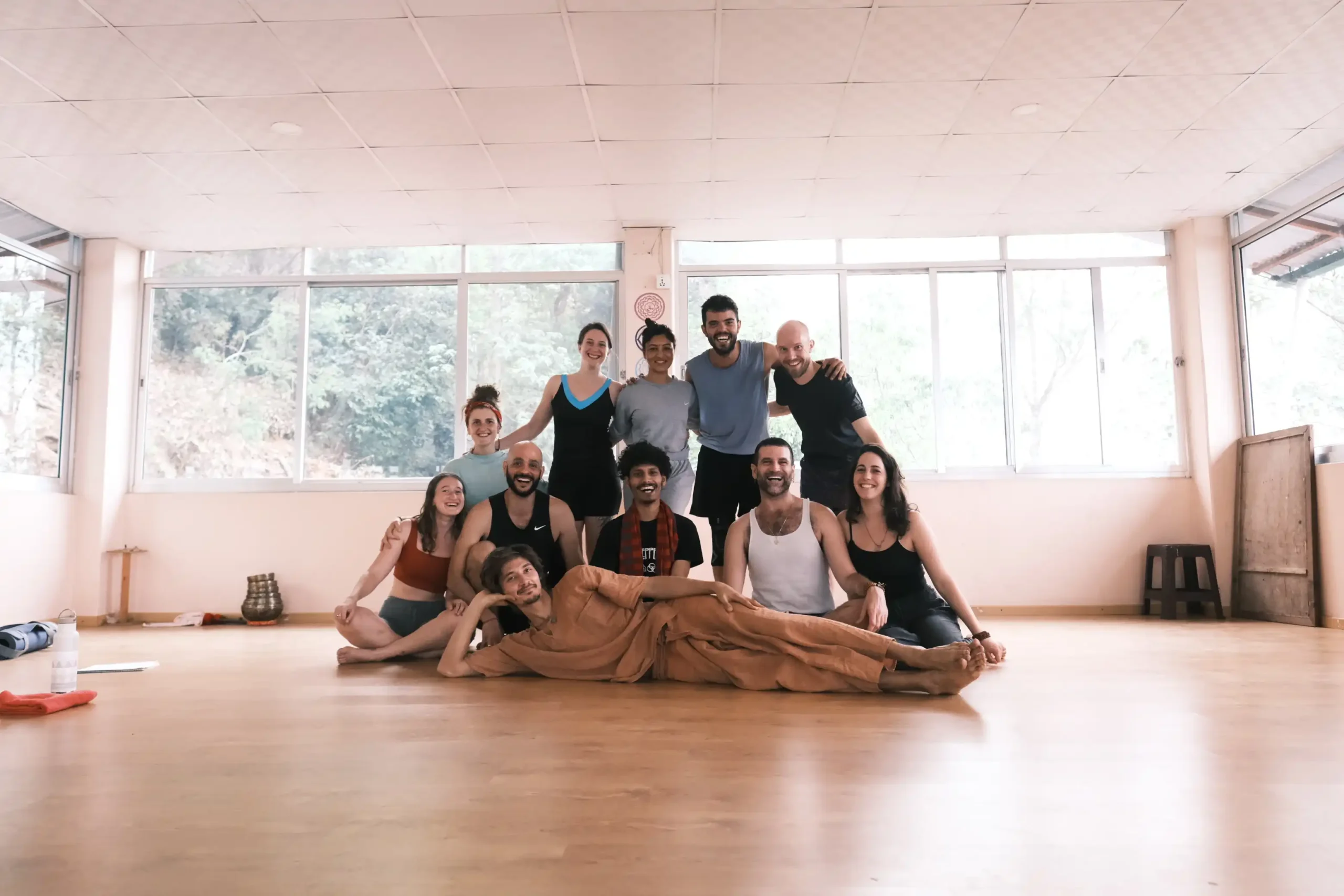
The destination may attract students to a course, but the learning environment can have a much greater influence on their experience. Students spend many hours with their teachers and classmates, so an environment where they can ask questions, practise techniques, receive feedback, and make mistakes without feeling uncomfortable can support better learning.
A good training environment should balance discipline with personal support. Structured classes, practical teaching sessions, meditation, pranayama, personal guidance, and constructive feedback can help students gradually become more confident. For students exploring international yoga education, the new Shivalaya Yoga Ashram Yoga Teacher Training Studio also represents a dedicated space where structured yoga learning and practical development can come together.
Certification and Yoga Alliance Registration
Certification is an important consideration for students planning to teach yoga professionally or internationally. Before joining a course, check what type of certificate the school provides and whether the program meets the requirements relevant to your career plans. Students should also understand the difference between completing teacher training and completing any separate registration process required by a professional organisation.
For students interested in Yoga Alliance, it is useful to understand the registration process before enrolling rather than waiting until after graduation. Knowing what the training provides and what steps may be required afterwards can help you plan your professional journey more clearly.
Read Also: How to Register with Yoga Alliance: Step-by-Step Guide
Why Choose a Dedicated Yoga Teacher Training Studio
A dedicated yoga teacher training studio can provide an environment focused specifically on learning, practice, and teaching development. Instead of treating teacher training as an extension of regular yoga classes, a specialised studio can structure the experience around anatomy, philosophy, meditation, pranayama, teaching methodology, practical sessions, and personal development.
The new Shivalaya Yoga Ashram Yoga Teacher Training Studio is designed to provide students with a focused learning environment where they can develop their yoga practice and teaching abilities. For students comparing different training options, looking at the quality of instruction, course structure, practical learning, student support, and overall educational approach can provide a better understanding of what a teacher training experience can offer.
Conclusion
Choosing Yoga Teacher Training in Sri Lanka and Bali gives students the opportunity to learn yoga in two destinations known for their natural surroundings, wellness culture, and international appeal. Sri Lanka can offer a quieter and more relaxed island experience, while Bali provides a diverse and highly international yoga community. Both can support students who want to deepen their practice, understand traditional yoga, and develop professional teaching skills.
The most important decision, however, is not simply choosing Sri Lanka or Bali. It is choosing a training program that matches your goals and provides quality education, experienced teachers, practical teaching experience, a clear curriculum, and appropriate certification. When these elements come together, yoga teacher training can become more than a qualification. It can become a foundation for a meaningful teaching career and a deeper relationship with yoga.
FAQs
Is Sri Lanka good for Yoga Teacher Training?
Sri Lanka can be a suitable destination for students looking for an immersive yoga education in a peaceful island environment. Training programs may combine traditional yoga, meditation, pranayama, anatomy, philosophy, and teaching methodology. The quieter surroundings can also help students focus on their practice and experience a slower, more mindful routine.
Is Bali good for Yoga Teacher Training?
Bali is a popular destination for yoga teacher training because of its established international yoga community and wide range of training programs. Students can explore different styles, teaching approaches, and course formats while learning alongside practitioners from different countries. This international environment can also help aspiring teachers develop greater confidence.
Which is better for Yoga Teacher Training, Sri Lanka or Bali?
Both destinations have their own advantages. Sri Lanka may suit students who prefer peaceful surroundings and a slower island lifestyle, while Bali can appeal to those who want a larger wellness community and more variety in training options. The curriculum, teachers, practical sessions, certification, and course structure should be compared before deciding.
How long does a 200-hour Yoga Teacher Training Course take?
The duration depends on the school and course format. Intensive residential programs are generally completed over several weeks, while some schools may offer different schedules or blended learning options. Students should check the number of training hours, practical requirements, daily schedule, assessments, and exact course duration before enrolling.
Can beginners join Yoga Teacher Training?
Many foundational 200-hour courses are designed for students beginning their professional yoga journey, although individual admission requirements vary. Beginners should look for a program that provides progressive instruction, sufficient practice, anatomy and safety education, teaching methodology, and personal guidance so they can develop their skills confidently.
What should be checked before joining a Yoga Teacher Training Course?
Before enrolling, check the curriculum, teachers, practical teaching hours, certification, class size, accommodation, meals, course duration, student reviews, and total course inclusions. It is also important to consider whether the yoga style, teaching approach, experience level, and professional opportunities offered by the program match your long-term goals.
Also Read:
7 Reasons Why You Should Choose Sri Lanka for a Yoga Retreat